

























































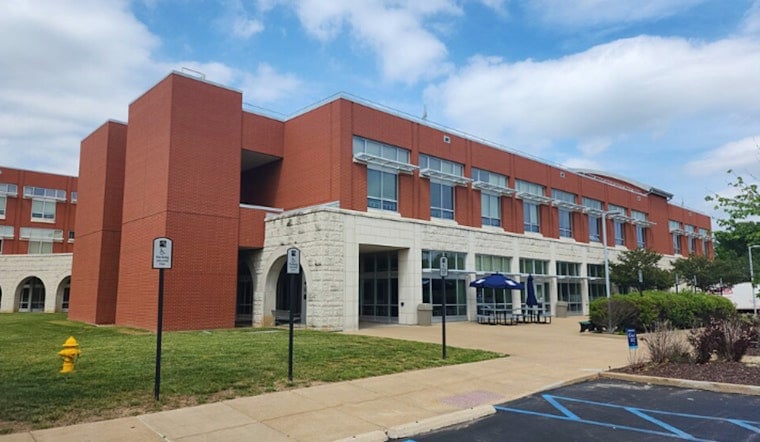
St. Louis Community College is rolling out a pilot scholarship that goes well beyond “free tuition.” The plan is to cover tuition, books and a full slate of wraparound supports, including housing and childcare, for 100 students working toward two-year degrees. College leaders are pitching it as a first-of-its-kind effort for the district, aimed squarely at the hidden costs that quietly push community-college students out of school.
If the pilot is funded and approved, the package would combine direct financial aid with services designed to keep students attending class and actually crossing the finish line with a degree.
As reported by the St. Louis Post-Dispatch, the program would pay for tuition, housing, childcare and other supports for an initial group of 100 students, and STLCC officials are still hammering out eligibility rules and a funding strategy. In her story, reporter Monica Obradovic notes that the college is labeling the effort a pilot and says more details will be released as they are finalized.
The housing element is the real curveball here. STLCC operates largely as a commuter system rather than a residential college, so offering anything like dorm-style support will likely mean cobbling together vouchers or community partnerships. College profiles such as Niche point out that STLCC’s campuses are not set up with traditional residence halls, and board minutes from St. Louis Community College show the district has previously tested cohort-based subsidies and targeted support programs, hinting at a precedent for this new scholarship design.
Why Wraparound Supports Matter
There is a growing body of evidence that simply erasing tuition is not enough. Programs that bundle tuition relief with advising, emergency aid and everyday supports have posted noticeably stronger graduation outcomes.
The National Conference of State Legislatures has highlighted evaluations of CUNY’s Accelerated Study in Associate Programs (ASAP) and similar copycat models, which recorded double-digit gains in associate-degree completion. In its policy overview, NCSL summarized these findings and pointed to them as a template for colleges that want not just higher enrollment, but higher completion.
What Comes Next
College officials told the St. Louis Post-Dispatch they expect to publish application and funding details soon. For now, big questions remain on the table: when the pilot will start, who exactly will qualify and how the college plans to pay for it over the long haul.
Observers say the real test will be whether STLCC can lock in steady funding and stitch together the housing partnerships needed to deliver on its promise. If that happens, this 100-student experiment could evolve from a one-off scholarship into a local model for making two-year degrees far more attainable. If not, it risks becoming a bold but short-lived gesture.



