

























































What used to be 100 acres of mostly quiet MetLife office space off Tesson Ferry Road in south St. Louis County is quickly turning into something very different: a neighborhood with more than 200 apartments and dozens of newly built single-family houses. The mostly vacant corporate complex is being reworked into lakeside apartments, walking trails and space for future shops and restaurants, and developers and early residents say it is already changing where neighbors head for groceries, coffee and dinner.
What is changing at the old MetLife campus
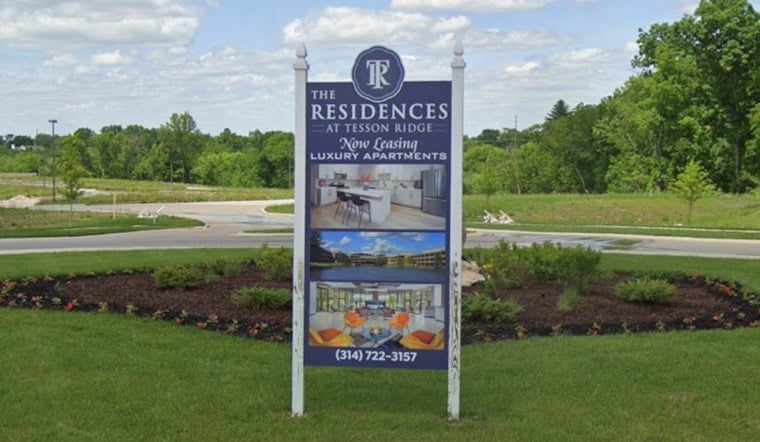
The Residences at Tesson Ridge was taken over by Propper Construction after MetLife relocated in 2020, and the conversion created roughly 210 apartments inside the former office building. At its peak, the campus housed more than 2,000 employees in about 600,000 square feet of office space, but by the time Propper evaluated the property only a few dozen workers were still on site. Developer Tim Breece said the building’s geometry allowed unusually large layouts, with an average apartment of about 1,450 square feet and one-bedrooms near 1,200 square feet while two-bedrooms come in around 1,850 square feet, according to First Alert 4.
What the master plan includes
Propper’s master plan splits the 100 acres into four zones: The Manors with detached single-family homes, The Residences in the converted office building, The Villas with smaller single-family villas and The Shops, which are commercial parcels fronting Tesson Ferry Road. Developer materials show pricing that starts with lower-priced villas and climbs to Manors listed in the low $600,000s up to about $1 million for some models, with public green space and a lake planned at the center of the property. As detailed by Tesson Ridge, the project focuses on reusing existing building footprints and turning paved areas back into green space.
Construction and sales now underway
Work has moved from renderings to rooftops, with more than 30 single-family homes already complete on site and the developer breaking ground this summer on a 57-acre subdivision that will add dozens more houses, as reported by St. Louis Business Journal. The activity marks a clear pivot from planning to sales and infrastructure work as the roughly $200 million redevelopment advances. That construction has also kicked off familiar suburban debates about traffic, utility capacity and how quickly new retail should follow the wave of new rooftops.
Residents and amenities
People who have already moved in say the on-site amenities help Tesson Ridge feel more like a neighborhood than an isolated apartment complex. Resident Bob Oidtman told First Alert 4 that the conversion offered comfort, affordability and a sense of community. Residents point to a pool, fitness classes, a movie theater, a lending library, a putting green and a climate-controlled parking garage as some of the main draws.
Why adaptive reuse matters
Urban planners and housing experts say Tesson Ridge fits into a broader national push to turn underused office buildings into housing when location and floorplate geometry make conversions workable. Policy analyses and research, including work from the Brookings Institution, note that office conversions are not a cure-all for housing shortages but can add units relatively quickly and in a more sustainable way when the building and the market line up. For developers and some local officials, combining adaptive reuse with new single-family construction helps spread costs and build the critical mass of residents that retailers often want before they commit to opening.
Neighborhood trade-offs and infrastructure
Not everyone is cheering the changes. Early town halls surfaced worries about added traffic, stormwater management and preserving tree buffers as development moved forward. The St. Louis County Planning Commission approved the plan after months of review and attached conditions on setbacks, parking and preservation measures to reduce impervious surface, according to St. Louis Call Newspapers. County officials say infrastructure upgrades and phased retail construction are expected to follow as the community fills in.
Propper and its leasing arm are marketing the apartments while home sales continue, pitching the mix of housing types and future shops as a way to lure restaurants and services to the corridor. Leasing pages for The Residences at Tesson Ridge list floor plans and contact information for tours, and the developer’s project site outlines the timeline for commercial parcels and additional phases. For South County, the effort is turning into a test of whether adaptive reuse paired with new homes can transform an empty office park into a fully functioning neighborhood.




