

























































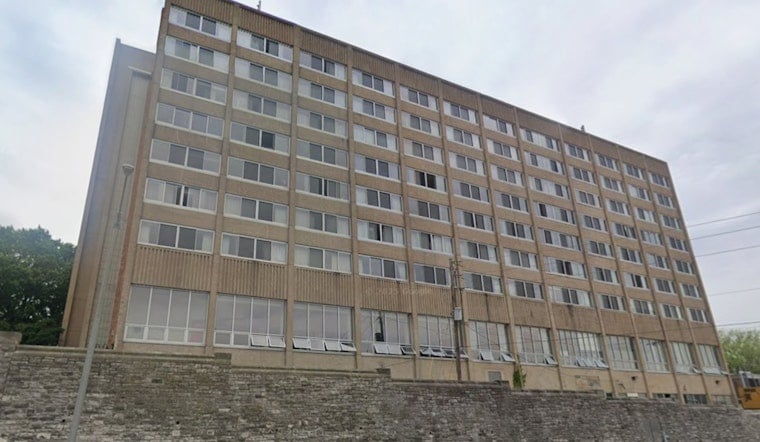
St. Louis has quietly made state history, opening what organizers say is Missouri’s first medical respite facility for people experiencing homelessness. The short-term residential program, on the eighth floor of the Peter & Paul Community Campus, is built to give people a safe place to recover from surgeries, wounds and other post-acute needs under supervision. The center welcomed its first patient last week and is meant to close a costly gap between hospital discharge and stable housing.
The nonprofit Three Steps Home says the facility has 31 beds, including an isolation room, and offers 24-hour nursing along with daily clinical checks so patients can heal safely, with typical stays expected to run about 30 to 60 days, according to Three Steps Home. The organization is accepting referrals from hospitals, clinics and insurers while staff handle case management, behavioral-health connections and housing navigation. Leaders say having the respite unit on a broader community campus makes it easier to link medical care and housing services in one place.
The launch received a $225,000 boost from Home State Health and the Centene Foundation to help cover startup and initial operating costs, according to Home State Health. A ribbon-cutting and grand opening were held in April at the Peter & Paul Community Campus.
How the program works
The center can accept patients discharged directly from hospitals and emergency departments, along with referrals from clinics and insurers, with intensive case management starting at intake, St. Louis Magazine reported. "Every person is not eligible for a nursing home," Three Steps Home CEO Sonia Deal told the outlet, arguing that many patients need a midpoint between the hospital and a shelter. Staff plan to combine nursing oversight with medication management, behavioral-health referrals and housing navigation so people can leave the program in a more stable position.
Why it matters
Medical respite programs have been expanding nationwide as a cost-conscious way to keep people out of hospital beds once they no longer need full inpatient care. The National Health Care for the Homeless Council notes rapid growth in the field and has developed standards and a certification process for medical respite providers, according to NHCHC. Data cited by Washington University show that people experiencing homelessness use emergency departments at far higher rates than housed residents and that those visits drive disproportionate costs, underscoring the potential fiscal and human benefits of a local respite option, per Washington University.
What’s next
Leaders at Three Steps Home say they are already in early talks with local hospitals to streamline discharges into the respite program and expect those partnerships to cut down on repeat emergency visits. The nonprofit has published projections about fewer inpatient days and overall system savings, according to Three Steps Home. Community advocates say the new center fills a notable service gap in Missouri, St. Louis Magazine reported.



