

























































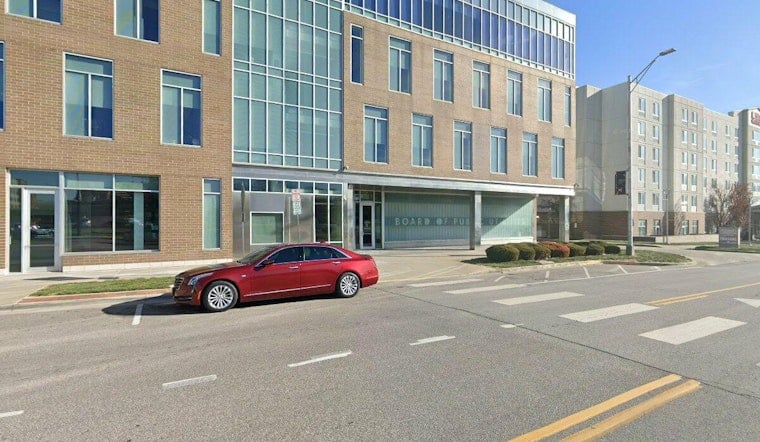
Scammers are blasting out phony text messages across Kansas City that claim there is a gas leak and urge people to evacuate or otherwise take immediate action, according to the Kansas City Board of Public Utilities. BPU says the messages are not from the utility and is warning customers to treat any unexpected text like this as a big red flag.
Real safety alerts, officials stressed, come through verified BPU channels and should always be double-checked before anyone clicks, calls or lets a stranger near their personal info.
As reported by KMBC, the bogus texts typically claim there is an immediate danger and pressure the recipient to act quickly; KMBC also warns recipients not to reply to or click links in suspicious messages. According to BPU, legitimate BPU texts are sent only from the short code 80213. Customers are urged to save that number in their contacts and to call BPU Customer Care at 913-573-9190 if they have any doubts.
How the scam operates
The playbook is familiar. Scammers lean on urgent language, try to mimic official formatting and make the text look like a real safety alert. From there, they funnel people to phishing websites or phone numbers designed to steal personal details and payment information.
Utilities across the region have reported similar "smishing" text scams this year, targeting customers with everything from fake safety warnings to bogus refunds. In February, for example, Evergy alerted its customers to deceptive refund pitches and text links that were part of the same broader fraud trend.
What to do if you get the text
BPU and local broadcasters are clear on the response playbook. If a sketchy message hits your phone, do not reply, do not click on any links and do not share payment or account information in response to an unsolicited text. That guidance was reiterated by KMBC, which notes that even a single tap can open the door to scammers.
Instead, officials say to block the sender, hang on to the message in case investigators need it and verify any supposed safety alert directly through BPU’s official website or verified social media accounts. If you are still unsure, the utility wants you to call BPU Customer Care at 913-573-9190 and ask.
If you smell gas, get out
All of this digital fakery should not distract from a basic rule. If you actually smell gas or think there might be a real leak, treat it as an emergency. Leave the building immediately and call 911 and your gas company’s emergency line from a safe location outside.
Do not use phones, turn light switches on or off or operate electrical equipment while you are still inside, since even a small spark could trigger an explosion. Safety guidance from providers such as Spire stresses that you should get out first, then call emergency services and the gas company.
Report scams and stay cautious
BPU previously sounded the alarm in June about a rise in scam calls targeting its customers and is again urging anyone who believes they were targeted to contact local law enforcement and the Federal Trade Commission. For more details, see BPU.
Consumers can report shady texts and fraudulent websites to the FTC at reportfraud.ftc.gov. Sharing specifics with neighbors and family members can help keep others, especially more vulnerable residents, from getting reeled in by the same con.



