

























































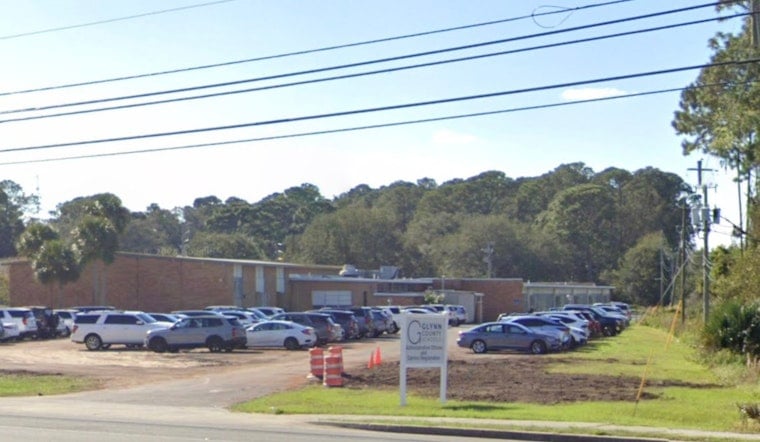
Students in Glynn County are about to find out what school feels like without a glowing screen in hand. Starting on the first day of classes this August, every student from kindergarten through 12th grade will have to keep personal electronic devices powered off and completely out of sight from the morning bell to the final dismissal bell. The rule applies on every campus in the district, and repeat violations will bring progressively tougher discipline. District leaders are framing the move as a straightforward attempt to boost classroom focus and make the rules easier for families to follow.
The requirement is spelled out in the district’s K–12 Personal Devices Policy, which the district posted online ahead of the 2026–27 school year. According to Glynn County Schools, devices must be tucked into a bookbag, purse, or teacher-designated storage spot, not slipped into a pocket or left face down on a desk.
The shift builds on earlier statewide action that first focused on younger grades. Glynn officials say they began phasing in K–8 restrictions in August 2025. As reported by The Georgia Sun, lawmakers later approved a separate measure that extended the limits to high schools. The Atlanta Journal-Constitution noted that the resulting law, House Bill 1009, gives high schools around the state until the 2027–28 school year to comply, unless districts decide to move faster on their own.
What’s banned and how discipline works
The list of off-limits items is long. It includes cell phones, smartwatches, headphones, smart glasses, earbuds, tablets, personal laptops, gaming systems, and e-readers. The district has laid out a three-step discipline ladder tied to those devices. A first offense means short-term confiscation for safekeeping and a return at the end of the school day. A second offense requires a parent or guardian to come to school to retrieve the device. A third offense leads to a formal administrative referral, according to Glynn County Schools. Officials say the idea is to keep consequences consistent across all campuses.
Exemptions and emergencies
There are carve-outs for students who genuinely need devices during the school day. Those with documented medical needs or whose IEP or 504 plans require a device will be accommodated under the policy. For everyone else, parents who need to reach a child during class hours are expected to call the school’s front office. For urgent situations affecting entire campuses, the district will rely on its mass notification system, as reported by The Georgia Sun.
Why the change now
Supporters of the policy argue that pulling phones and similar devices out of the school day cuts down on distractions and social drama, clearing more space for learning. Many districts around Georgia are already tightening their own device rules ahead of the statewide deadline. Georgia Public Broadcasting reported that a recent survey by the Professional Association of Georgia Educators found roughly 72 percent of teachers believe the K–8 restrictions will help student learning, and about 71 percent think high schools should follow the same path. Glynn officials say implementing the high school standard at the start of the school year avoids changing expectations on families partway through.
Families with questions are being urged to watch for back-to-school communications from individual schools and to check the district’s posted FAQ for details on how the policy will work day to day. Glynn County Schools says staff will start enforcing the rule from Day One and is encouraging parents to decide in advance how they plan to communicate with their children during regular school hours.





