

























































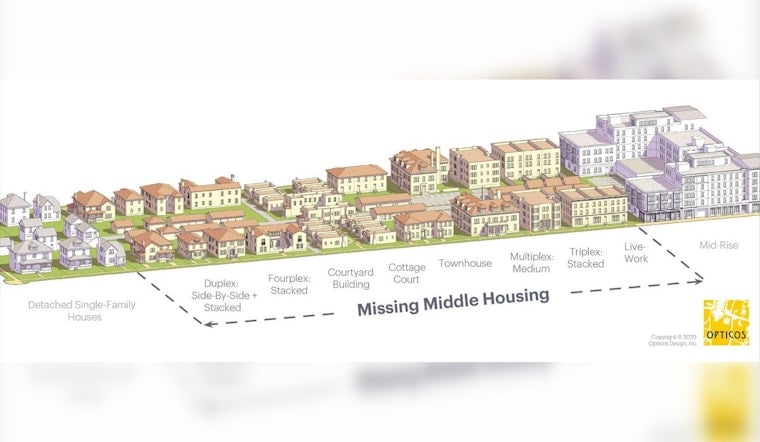
Golden Valley has wrapped a yearlong look at so-called "missing middle" housing and quietly dropped the final report on the City Council's desk on July 7, 2026. The question on the table is deceptively simple: can duplexes, triplexes, townhomes and small apartment buildings be woven into neighborhoods now dominated by large single-family houses without triggering waves of teardowns? The answer is shaping a regional debate over whether Twin Cities suburbs will lean into gradual densification to widen housing choices or lean harder on preserving the status quo.
Golden Valley's Study And What It Says
According to City of Golden Valley, staff and consultants produced a Missing Middle Housing Study that digs into market demand, infrastructure capacity, zoning hurdles and design options. The report, now filed with the council and posted online, maps out where and how smaller-scale homes might fit into existing blocks.
The study defines "missing middle" as the housing types that sit between detached houses and big apartment complexes: accessory dwelling units, duplexes, townhomes and small courtyard-style apartment buildings. It also sets up the next round of neighborhood conversations on what that might look like in practice, a process that MPR News reported on in late July.
Numbers And Neighbors
The math is a big part of why the city is even talking about this. The Metropolitan Council's 2025 system statement projects that Golden Valley will grow from 9,957 households in 2020 to about 11,800 by 2050 - an increase of roughly 1,800 homes, according to Metropolitan Council. That kind of growth has officials looking for ways to add homes without completely reshaping existing neighborhoods.
Golden Valley is hardly alone. Nearby suburbs such as Richfield, Bloomington and St. Louis Park have already relaxed rules to allow more duplexes, four-plexes and townhomes, as Star Tribune has reported, signaling a broader shift in how first-ring suburbs are thinking about density.
Public Reaction And The Pace Of Change
All of this has packed public meetings in Golden Valley and other west-metro cities, with residents turning out to warn about threats to neighborhood character while advocates point to the lack of options for teachers, older residents and young families. The tension is not subtle.
One longtime neighbor told reporters, "It would take maybe half a century to get that back," describing fears over losing the feel of the area. Planners and elected officials, for their part, have been quick to stress that any shift is likely to be incremental rather than sweeping. Council members and consultants have described "the pace" as "very slow," according to Star Tribune, suggesting this is more slow drip than overnight transformation.
Barriers And Tools To Build More Homes
The study notes that basic infrastructure - things like water and sewer systems - could generally handle modest infill in many parts of the city. The bigger obstacles have less to do with pipes and more to do with policy and money. Local regulations, high land and construction costs, and financing challenges are the real barriers to building missing-middle homes, according to City of Golden Valley.
One tool gaining traction around the country is preapproved building plans. As The Pew Charitable Trusts reports, these ready-to-go designs can shorten permitting timelines and trim costs for smaller developers, potentially making duplexes and townhomes pencil out in first-ring suburbs that have not historically seen a lot of small-scale infill.
What's Next
For now, Golden Valley staff say the community engagement will continue as any proposed zoning or code changes move toward formal consideration. Other first-ring suburbs are likely to watch closely to see whether talk turns into shovels in the ground or gets bogged down in debate.
Whatever happens, no one is expecting a sudden wave of bulldozers. The most likely scenario, city officials suggest, is a gradual shift, with pilot efforts and scattered smaller projects arriving long before any larger wave of redevelopment even becomes possible.



