

























































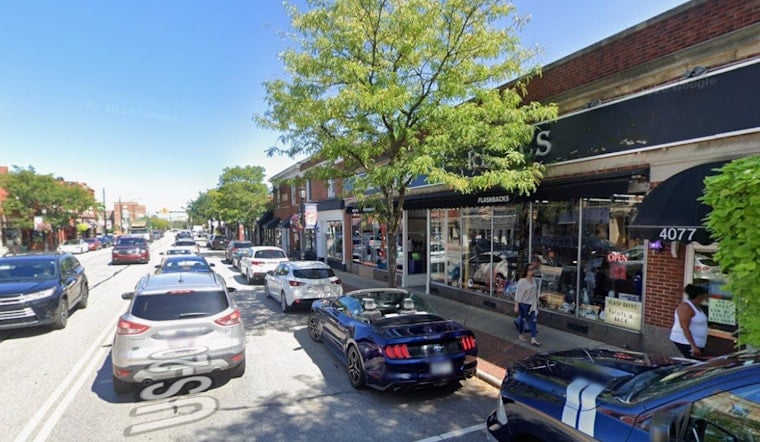
The Viridian Bookshop in downtown Willoughby says it has been fighting a ghost story it never asked for: a glitch in Google’s new AI-generated search summaries that wrongly tagged the indie shop as “permanently closed.” Co-owners Chanel and Joseph Bush, who opened the store in October 2025, say the mistaken label has been followed by a sharp drop in foot traffic and sales, and they have spent weeks trying to convince both the algorithm and would-be customers that the doors are still very much open.
Speaking with Cleveland.com, Chanel Bush said customers told her they had seen Google’s AI summary listing the store as “permanently closed,” and that the timing lined up with “a significant decrease in customer traffic.” She told the outlet that “one amazing day cannot fix a month of almost no sales,” and said she has struggled to find a direct way to correct the AI-generated information.
The shop’s own website, which lists The Viridian Bookshop at 4081 Erie Street, shows a full slate of author events, workshops and gaming nights, along with posted hours that indicate the store is operating normally, according to the Viridian Bookshop site. The page includes multiple upcoming dates and a phone number for customers who want to confirm hours the old-fashioned way.
How Google's AI summary can be wrong
Google’s AI Overviews feature pulls information from multiple web pages, profiles, and third-party sites into a single short summary, and the company openly notes that these generative answers can contain mistakes. As Google explains, the system blends what it detects as the web’s most common information into a quick snapshot for users, which can amplify outdated or conflicting signals from source sites. That kind of compression is supposed to save people time, but it can also make a bad detail, such as “permanently closed,” look authoritative at a glance.
Not an isolated glitch
Industry guides say AI Overviews now appear for a growing share of search queries and can influence whether users ever click through to a business’s own site, so a flawed summary can have an outsized effect on revenue. Search Engine Land and local SEO specialists report that stale directory entries, mismatched hours, or inaccurate third-party listings can send the wrong signal into the AI system and lead to incorrect summaries. That risk has helped fuel a wave of how-to advice telling small businesses to straighten out their online profiles in hopes of preventing these kinds of errors before they snowball.
What owners can do
Google provides feedback tools directly inside the AI Overview box, along with an option in Maps to mark places as reopened or closed, and business owners are encouraged to keep their official Business Profile and broader online presence updated so the underlying signals are accurate. Google's help center details how to reopen a listing and report incorrect information, and experts often suggest cleaning up entries on Yelp, Facebook and other directories so the AI is working with consistent data. If those automated routes do not solve the problem, specialists advise documenting what is happening and escalating the issue through Google Business Profile support.
Small shops at risk
Chanel Bush told Cleveland.com that she has already updated the store’s Google Business Profile, claimed listings on other platforms and repeatedly flagged the AI summary as inaccurate, but the fix has not come quickly. For small neighborhood businesses that count on walk-in customers, owners say, a single wrong line in a high-visibility AI summary can quietly turn into lost hours on the floor and very real financial pain.




