

























































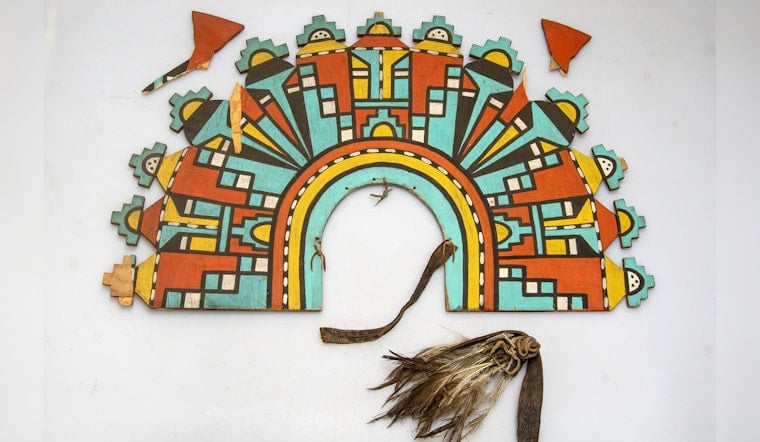
One ill-timed vacation snapshot has turned into a federal investigation at Grand Canyon National Park, where rangers say a visitor shattered a historic Hopi headpiece inside the Desert View Watchtower on June 17. Witnesses reported that the object fell during a photo attempt and smashed on the floor, breaking in several places. Museum staff quickly secured the artifact while investigators work to identify the visitor who walked out before rangers arrived.
According to witnesses, a man had climbed onto historic, handcrafted furniture near the watchtower fireplace to take a photo. The furniture tipped, and as he tried to steady himself, his arm struck the headpiece and knocked it to the ground, as reported by FOX 10 Phoenix. Rangers say the Hopi object "broke in two places and sustained damage in three others," and park employees treated the visitor for injuries from his fall. The damaged headpiece, created by Hopi artist Fred Kabotie, has since been transferred to museum care for detailed assessment.
Who rangers are trying to track down
Rangers described the man they are seeking as a white male in his 60s or 70s, about 6 feet tall with a slender build, clean-shaven, with white or gray hair and wearing cargo shorts. The woman with him was described as a white female in her late 30s or 40s with dark hair past her shoulders. The pair left the Watchtower before law enforcement officers could speak with them, and investigators are asking anyone who recognizes them to come forward. As reported by AZ Family, tips should be emailed directly to Grand Canyon National Park law enforcement at [email protected], not posted on social media.
The headpiece and Desert View’s deeper story
The broken headpiece is part of the cultural collections associated with the Desert View Watchtower, whose Hopi Room holds murals and objects tied to Hopi heritage. The tower was designed by architect Mary Colter and decorated by Hopi artists, including Fred Kabotie, and is treated as a major cultural and historic site inside the park. The National Park Service notes that Desert View serves as a cultural gateway to tribal communities and that many of the features inside the tower are irreplaceable, which makes damage to original pieces especially serious. Grand Canyon National Park provides additional background on the site’s cultural significance.
Park response and conservation efforts
Park officials are using the incident as a pointed reminder that visitors should not climb, sit or stand on historic furnishings or protected features. They say the damaged headpiece has been placed under museum care while conservators determine the extent of the harm and what can be done to stabilize it. In a July 1 statement, park staff called Desert View Watchtower “one of Grand Canyon National Park’s most significant historic and cultural spaces” and urged anyone with information to contact investigators. That statement and the request for tips were reported by FOX 10 Phoenix.
Why small accidents are a big deal
Conservators emphasize that repairs to fragile, historic objects require highly specialized work and can never fully return an item to its original state. Desert View Watchtower’s murals and furnishings have already undergone conservation in the past, underscoring how delicate the interior is and why any damage to original materials is taken so seriously. As outlined by the National Park Service, earlier restoration projects at the Watchtower involved extensive stabilization and formal museum protocols.
Investigators are asking anyone who was at Desert View on June 17 between roughly 11 a.m. and 4 p.m. to review their photos or videos and email any potential evidence to Grand Canyon National Park law enforcement at [email protected]. Park staff have also asked the public not to post unverified names or accusations online and instead to send information directly to investigators in order to protect both the inquiry and tribal communities. If you share images, include a short description of where and when they were taken and a way to contact you, in line with guidance reported by AZ Family.





