

























































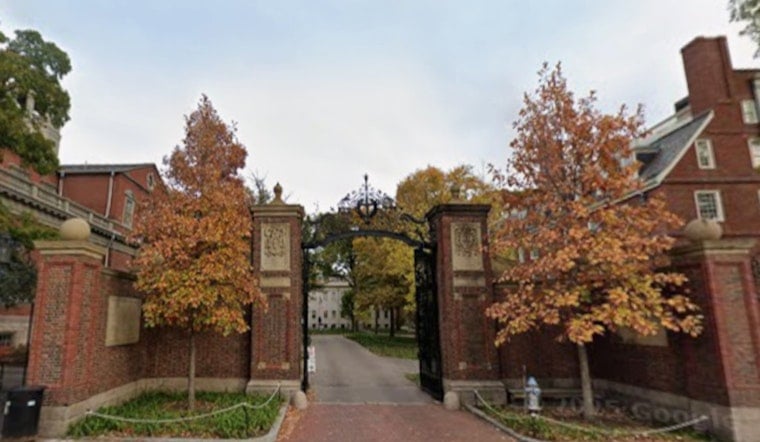
Non-tenure Harvard researchers and lecturers voted Friday to authorize a strike, sharply raising the stakes in a yearlong standoff over their first union contract. The Strike Authorization Vote gives the Harvard Academic Workers union’s bargaining committee the discretion to call a walkout if talks do not move on core issues including pay, job security, workload protections, independent grievance procedures and safeguards for non U.S. workers. Members say recent changes, from steep jumps in class sizes in some programs to long delays from university lawyers on counterproposals, have made it harder to afford life in Greater Boston. The vote lands after months of bargaining and follows a broader wave of campus labor actions earlier this year, putting Harvard squarely in the middle of a national higher ed labor reckoning.
What the union said
The union said the strike authorization vote, held Friday after 43 bargaining sessions, hands its bargaining committee the power to actually trigger a walkout if negotiations keep stalling, as reported by The Boston Globe. “HAW members are fed up,” bargaining committee member Adam Sychla told the paper, summing up the mood after a marathon year at the table. In its statement, the union again highlighted its main demands, which include fair pay, stronger job security, workload protections, additional safeguards for non U.S. citizens and an independent process for handling harassment and discrimination complaints.
Union history and bargaining
Harvard Academic Workers UAW officially formed in April 2024 and now represents roughly 2,500 non tenure track researchers, postdocs and lecturers across the university, according to Academic Unionization. Union leaders say they opened the strike authorization vote this spring after more than a year of bargaining without securing a first contract. Some contract articles have reached tentative agreement, but the core fights over compensation and security remain unresolved. Bargaining trackers posted by the union show dozens of sessions and repeated sticking points around pay scales, appointment security and protections for workers whose jobs and funding are tied to third party grants or fellowships.
Demands and campus strain
Union members say Harvard has, in certain departments, increased class sizes by as much as 50 percent without negotiating over the added workload, a move the union has formally challenged and that surfaced in reporting on the dispute by The Harvard Crimson. Leaders argue that any changes of that scale should be bargained and that ballooning enrollments only underscore the need for clearer workload protections. They are also pressing for equal protections and benefits for workers who are paid through third party stipends and for an independent mechanism to address harassment and discrimination. Supporters of the strike authorization say the vote is essentially a pressure valve and a way to regain leverage after negotiations drifted into a second year.
Next steps and timeline
Union leaders have signaled that the bargaining committee is likely to set a strike deadline sometime during the fall semester, giving negotiations another window to deliver progress before the authorization is actually used, and that Harvard had not publicly responded to the vote at the time of reporting, as noted by The Boston Globe. Members emphasize that a strike is a last resort rather than the goal, but say the threat of a walkout is sometimes the only thing that shakes loose movement at the table. If a strike is called, students and departments could be staring at reshuffled or canceled sections, delayed grading and interruptions to ongoing lab research during a crucial stretch of the academic calendar.
Legal and administrative context
Any formal walkout would have to be coordinated with the UAW international, and earlier this spring the HAW bargaining committee decided to postpone a member driven push to strike over concerns about turnout and the need for international authorization, as reported by The Harvard Crimson. The union has also filed an unfair labor practice complaint over what it describes as unilateral changes to course assignments, a procedural move that could bring the National Labor Relations Board into the mix and add a legal backdrop to ongoing talks. Labor experts note that such cases can stretch out negotiations while the university and union navigate not only the bargaining table but also potential legal remedies and rulings.
Union leaders maintain that they would prefer to resolve the contract without walking off the job, yet members are ramping up organizing in case Harvard does not move closer to their demands. For students, researchers and administrators alike, the strike authorization is no longer an abstract threat. It is a concrete flashpoint in a campus wide labor fight that is likely to define the coming fall term in Cambridge.




