

























































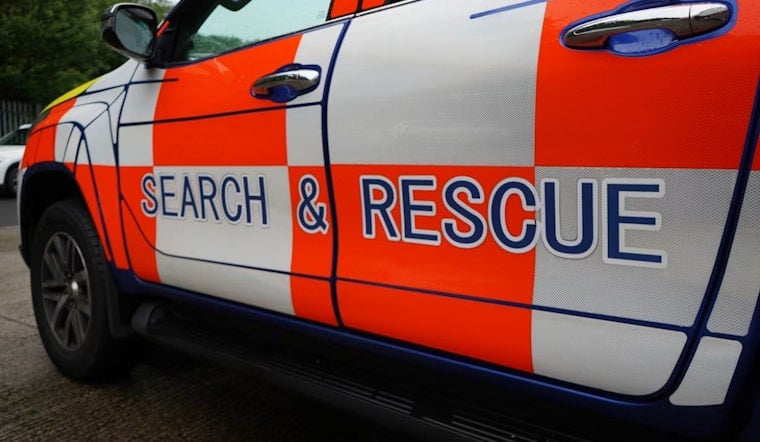
Triple-digit heat, flash floods and pop-up thunderstorms turned Utah's backcountry into a full-time job for search-and-rescue teams over the weekend, and they are not sugarcoating their message to hikers: plan or risk becoming the next emergency call.
Sevier County Sheriff Nathan Curtis, who chairs the Utah Search and Rescue Advisory Board, said many crises could be avoided with a bit of preparation, leaving volunteer teams free for truly life-threatening situations instead of preventable close calls.
Officials: Bring Water And A Plan
Curtis and other SAR leaders say the basics still matter most when the heat is brutal, and storms move in fast. They recommend that adults carry at least one gallon of water per day and double that amount in Utah's high-desert conditions, and that everyone heading into remote country leave a clear itinerary with friends or family before they go, according to KSL NewsRadio.
Those simple steps, they argue, can mean the difference between a long but manageable day on the trail and a panicked 911 call when the sun, elevation and distance all catch up at once.
By The Numbers: How Busy Teams Have Been
Since 2022, search-and-rescue teams around Utah have documented thousands of missions: roughly 2,400 people found, about 3,300 rescued and 423 body recoveries, with volunteers putting in more than 150,000 hours. Curtis said they often encounter dehydrated hikers who start making bad choices simply because their bodies and brains are cooked.
The busiest county teams, including Washington, Salt Lake, Grand and Utah counties, average about 100 to 150 callouts every year, and about 39% of those rescued are visitors to the state. Those numbers are a big reason officials keep hammering the message that preparation is not optional in Utah's outdoors, according to KSL NewsRadio.
How Rescues Are Funded And Tracked
Behind every helicopter ride, rope haul and backcountry search is a patchwork of funding. Money for gear, aircraft and training comes in part from Utah's statewide Search and Rescue Financial Assistance Program and the Utah Search and Rescue Assistance (USARA) card, along with modest surcharges on RV permits and hunting and fishing licenses, according to the USARA program.
The fund is designed to reimburse counties for mission expenses and support volunteer training, and the Utah Search and Rescue Advisory Board is rolling out a public dashboard so residents can see reimbursement numbers and mission counts with more transparency, per the Utah Search and Rescue Advisory Board.
What To Pack And How You Can Help
Officials say a smart packing list starts with plenty of water, a map, extra food, sunscreen and a basic first-aid kit. Just as important: tell someone your route and when you expect to be back, and actually stick to that plan.
They also urge people to check weather forecasts before heading out and to avoid slot canyons during monsoon storms, when flash floods can turn a narrow corridor into a deadly chute in minutes. If you want to support the people who show up when things go wrong, consider buying a USARA card or donating to your county search-and-rescue team to help pay for training and equipment. And if you run into volunteers in the field, they say a quick thank-you does not hurt either.



