

























































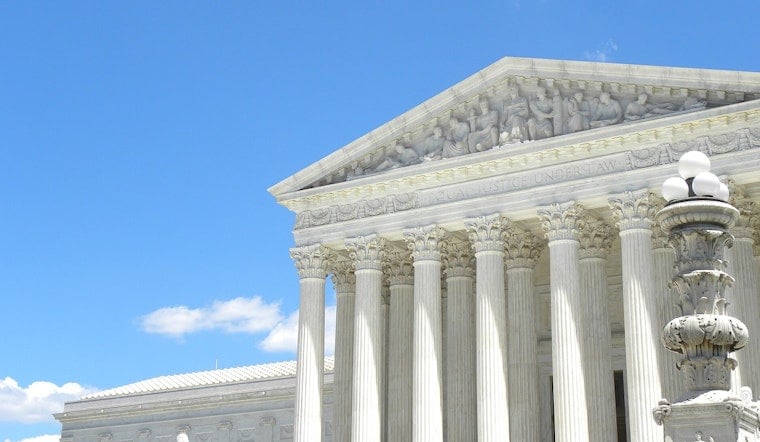
The Supreme Court’s June 30 decision to wipe out long-standing federal caps on how much national parties can spend in coordination with candidates has scrambled the midterm money map, and Washington operatives are already pulling out the red pens. With those limits gone, party committees can funnel much bigger checks straight into high-stakes races. For the DC region, that means control of the Senate and key federal appointments could turn on how fast those new dollars get deployed.
What the court did
In National Republican Senatorial Committee v. Federal Election Commission, the justices ruled 6-3 that the Federal Election Campaign Act’s limits on "coordinated party expenditures" violate the First Amendment and overturned earlier precedent. According to the Federal Election Commission, the decision sends the case back for further proceedings and scrubs the statutory caps that had curbed how closely parties and candidates could team up on spending. In practical terms, it revives an older era of more direct party involvement in campaign budgets.
Why it matters for the midterms
The impact hits right away. Party committees can now push more money into coordinated ad buys, polling and field operations, often at cheaper rates than outside groups get. That can amplify the edge of whichever side is already holding the bigger war chest. The Washington Post reports that top Republican committees went into the summer with roughly $256 million in cash on hand, compared with about $127 million for leading Democratic committees.
For voters around Washington, that gap makes it easier for national money to pour into the handful of contests that could decide which party calls the shots on Capitol Hill and across the federal bureaucracy.
Tiffany Muller, president of End Citizens United, told Fox 5 DC’s Live Zone that the ruling opens a new stream of money that campaigns and candidates will have to absorb and plan around as they lock in media and field budgets. Her appearance was one of several local and national reactions highlighting concern among reform advocates over how big donors might use party accounts to steer key races. As covered by Fox 5 DC, campaign pros in the DMV say they already expect a scramble to reshuffle ad reservations and move ground-game spending.
Legal fallout
Election-law practitioners say the ruling now forces quick calls on how coordinated party spending will be disclosed and reported. As outlined by election-law advisers at Ashurst Perkins Coie, the commission and campaigns will have to unwind parts of 11 C.F.R. Part 109 and decide how previously capped "Schedule F" expenditures should be handled in future filings. That administrative gray area could tighten the timelines treasurers and media buyers rely on to finalize summer and fall advertising plans.
What to watch next
Expect more big checks flowing through party committees and a fast reallocation of ad buys, along with fresh pressure on Congress to consider legislative fixes and on watchdogs to lean into enforcement. The Campaign Legal Center has called the ruling a major opening for wealthy donors, and the Brennan Center has urged lawmakers to pursue stronger anticorruption safeguards to blunt its effects.
Over the coming weeks, the clearest clues about how the new regime will work will show up in committee reports, media-buy schedules and updated FEC guidance.
Bottom line: the court did not conjure up new money, but it changed who can spend it and how quickly it can reach the races that matter most to the capital. Candidates, parties and donors in the DMV are now rewriting budgets in real time as November creeps closer, and campaign accountants may want to keep the coffee brewing.





