

























































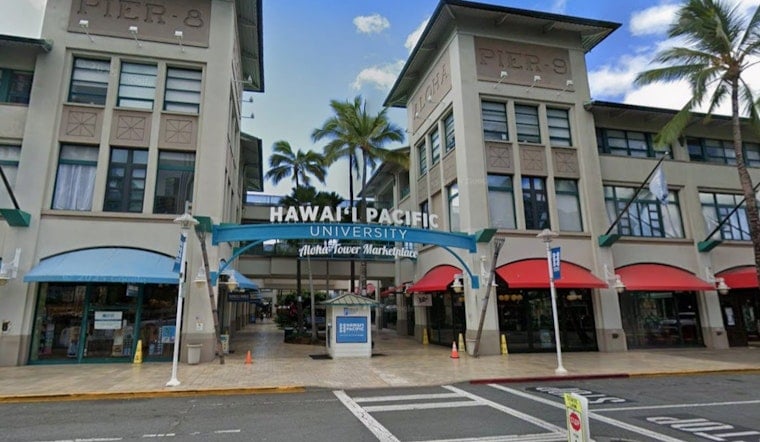
At a packed symposium Thursday at Hawaiʻi Pacific University, scientists, regulators and neighborhood volunteers squared off over a deceptively simple question: Are genki balls - those soft mud spheres mixed with "effective microorganisms" and tossed into streams and canals across Honolulu - actually cleaning the water, or just making people feel better about it?
HPU researchers presented new lab and field results that, they said, found no clear evidence the balls improved water quality in their tests and in some cases appeared to make conditions worse. The state Department of Health told the crowd it will not formally authorize or outright ban genki ball events while it reviews more data.
HPU's Findings
HPU's research team, led by Dr. Carmella Vizza, combined controlled aquarium experiments with a two-year field study at Hāmākua Marsh to follow how microbes move and how water quality responds, as detailed in the HPU presentation. Those materials, along with reporting by Honolulu Civil Beat, describe tanks with higher concentrations of genki material where dissolved oxygen dropped, coliform bacteria briefly spiked and nutrients rose over the longer term - results the team said raise ecological and human health concerns.
Supporters Point To Community Gains
Project organizers countered that, lab debates aside, the effort has rallied thousands of residents around local waterways. More than 300,000 genki balls have been tossed into canals and streams over the past seven years, according to University of Hawaiʻi News. The Genki Ala Wai Project has also posted its own water testing results and points to reduced sludge, lower enterococci counts in some locations and the return of marine life in certain spots as support for continuing the work, according to the Genki Ala Wai Project.
Where Regulators Stand
The Hawaiʻi Department of Health said it has been meeting with both HPU researchers and Genki Ala Wai representatives, requested the HPU study along with additional monitoring data, and for now will neither explicitly authorize nor prohibit genki balls in state waters, as reported by Hawaii News Now. DOH officials also flagged that some of the materials used in genki balls, particularly soil, could fall under regulatory definitions of pollutants in some circumstances, and said the agency may revise its position if future evidence calls for it.
What The Data Show
HPU's DNA sequencing work found that many of the microbes expected from the effective microorganism mix were largely missing from both the genki balls and the experimental tanks, according to the HPU presentation. The team also reported that EM-1, a commercial product used in the mix, appears to contain undisclosed spore-forming organisms. Coverage by Honolulu Civil Beat notes that the field study used a Before-After-Control-Impact design and that changes in phosphate and oxygen in some tank trials were large enough for researchers to warn against adding heavy loads of the material into shallow, stratified canal systems.
Legal And Safety Questions
Researchers at the symposium said they were uneasy about possible human exposure, since children and volunteers often handle the balls during community events, a concern that both organizers and scientists acknowledged during the discussion, according to Hawaii News Now. Questions about how state law treats materials like soil, and how agencies should track indicators such as enterococci and nutrient levels, are expected to influence what DOH asks for in its next round of data requests.
What's Next
DOH has asked for the full HPU study and more monitoring records from both the university team and project supporters and plans to review those materials before changing its current hands-off stance, officials said. In the meantime, the Genki Ala Wai Project says it will keep holding community make-and-toss events while researchers pursue more targeted studies, according to the Genki Ala Wai Project. HPU scientists said they want to see controlled trials in the Ala Wai watershed and peer-reviewed publication of the findings so regulators and the public can work from clearer, site-specific guidance.



