

























































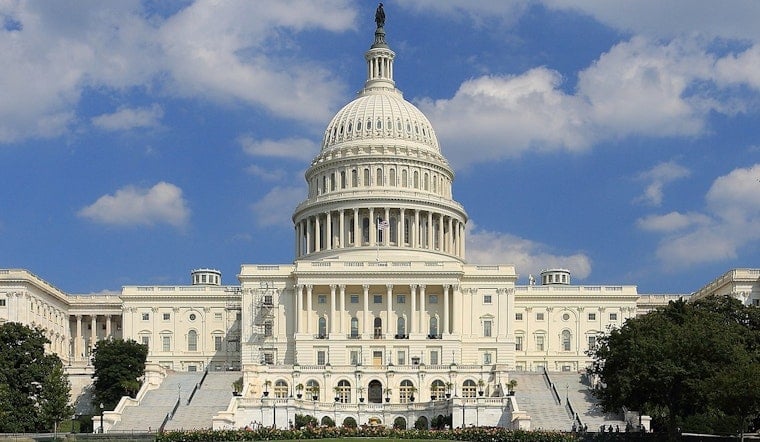
Hawaii storm survivors are not waiting quietly for the next disaster. This week, a group of residents and state lawmakers took their stories straight to Washington, D.C., urging Congress to overhaul how recovery money flows so that communities closest to the damage have real control over decisions and dollars.
They described neighborhoods where neighbors, mom-and-pop shops and local nonprofits acted as the first lifeline when power and water went out, then asked a simple question on Capitol Hill: if local networks step up first, why are they treated like an afterthought once federal money shows up?
Hawaii voices in D.C.
The Hawaii delegation included survivors such as Michelle Maldonado of Haleiwa and state lawmakers who met with staff from Hawaii's congressional offices to walk through the gaps they say showed up in the federal response. Participants joined peers from more than 20 states, and survivors offered what Maldonado called "unfiltered feedback" about where help fell short.
U.S. Rep. Jill Tokuda told lawmakers that "local nonprofits, businesses and neighborhood networks often become the true first responders during disasters," while staff in Sen. Brian Schatz's office said the push for change was informed in part by lessons from the 2023 Maui wildfires, according to the Honolulu Star-Advertiser.
National push for community-led recovery
The Hawaii visit was part of a broader national campaign by Extreme Weather Survivors and allied groups to bring firsthand testimony to Capitol Hill and press for policy fixes. National reporting has chronicled survivors from Texas, Florida and other hard-hit communities meeting with their own members of Congress to demand simpler aid applications and stable, long-term recovery funding instead of one-off fixes.
The organizing group runs survivor-led events and trainings, and coverage has detailed delegations traveling to Washington to push similar demands, as reported by Extreme Weather Survivors.
On-the-ground damage still mounting
While Hawaii advocates laid out their case in D.C., recovery back home remains a slog. Residents told lawmakers that some neighborhoods were left without potable water for almost two weeks and without electricity for nearly a week after the storms.
Farmers described large debris piles, damaged irrigation systems and battered roads that could delay planting for months and, in some cases, more than a year. Those on-the-ground details and personal accounts were shared directly with congressional staff during the Washington meetings, according to the Honolulu Star-Advertiser.
What lawmakers are proposing
Advocates are rallying behind the Reforming Disaster Recovery Act, which would create a Long-Term Disaster Recovery Fund at the U.S. Department of Housing and Urban Development. The idea is to have standing money and technical assistance ready to go after disasters instead of waiting for Congress to negotiate fresh emergency packages every time.
The bill would also establish an Office of Disaster Management and Resiliency at HUD and authorize Community Development Block Grant style disaster grants, so communities are not stuck waiting on ad hoc supplements. The legislation's text and committee summaries are posted on Congress.gov.
Local groups are already stepping up
Even as they push for federal reforms, Hawaii organizations are trying to model what community-led recovery can look like. On the islands, funders and nonprofits have started shifting money and case-management capacity toward neighborhood-driven projects.
Maui United Way has directed about $1.3 million into grants and a two-year case-management program to help nonprofits reach survivors faster during recent storms, a move local advocates say shows how flexible, place-based funding can move aid more quickly than distant bureaucracies, according to floods island nonprofits with $1.3M.
Survivors and lawmakers say they are not done knocking on doors in Washington. As Congress weighs disaster-recovery reforms, Hawaii advocates argue that getting money and power into local hands could mean the difference between a drawn-out struggle and a real path from crisis to rebuilding.





.JPG)