

























































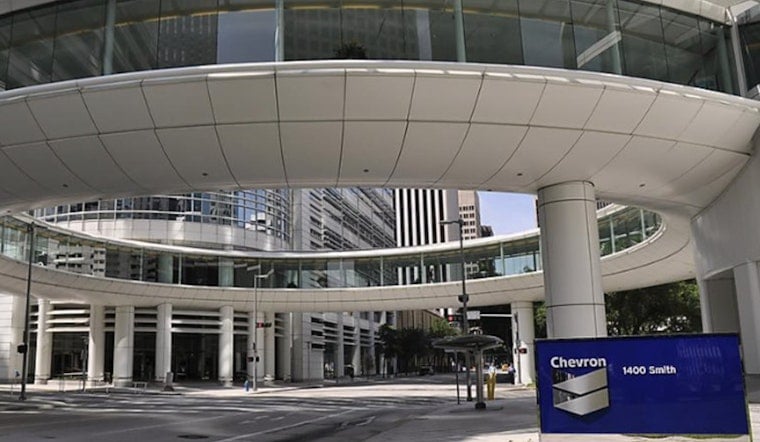
Chevron is poised to ink a set of memorandums of understanding with the Iraqi government on Friday that would move the energy giant closer to a bigger role at two major southern oilfields: West Qurna 2 and Nassiriya. The timing is no coincidence. The move comes on the heels of Iraqi Prime Minister Ali al‑Zaidi’s recent U.S. swing, which included a White House sit-down and a stop in Houston to visit Chevron’s offices. Company and Iraqi officials say the MOUs are meant to speed up technical studies and commercial talks that could pave the way for longer-term operating agreements. If those deals are ultimately sealed, they could reshape who runs some of Iraq’s most productive oilfields.
According to Reuters, a senior Chevron executive said the new MOUs are designed to advance the company’s work at West Qurna 2 and on the Nassiriya project. Reuters reports that West Qurna 2 currently pumps about 460,000 barrels per day, and the preliminary agreement reached earlier this year is meant to push commercial terms toward a final takeover. The same executive also told Reuters that Chevron is studying potential pipeline routes to move crude out of southern Iraq while avoiding the Strait of Hormuz.
What The MOUs Cover
For now, the MOUs are expected to lock in data sharing, feasibility studies and early commercial parameters rather than immediately hand over operatorship. As reported by The National, Baghdad and Chevron signed a non‑disclosure agreement in July so technical teams could exchange reservoir and operational data. Earlier “principles” agreements mapped out the Nassiriya project as four exploration blocks plus development of nearby producing fields, according to Iraq Business News.
Why West Qurna 2 Matters
Industry coverage has repeatedly flagged West Qurna 2 as one of Iraq’s heavyweight oil assets and a centerpiece of Baghdad’s push to boost national output. Bloomberg previously detailed Chevron’s exclusive talks to take over the field after Lukoil pulled back, and analysts say that successful upgrades there could significantly lift Iraq’s export capacity. That kind of strategic upside helps explain why U.S. and Iraqi officials have been eager to move negotiations along.
Pipeline Plans And Geopolitics
The talks are not just about engineering spreadsheets. The Chevron executive told Reuters the company is examining options for new routes that would move crude out of Iraq while steering clear of Hormuz, a possible response to regional instability that has left Gulf export flows exposed. Any pipeline option would need years of planning, cross-border negotiations and sign-off from transit countries, but the very fact it is on the table underlines the geopolitical stakes tied to control of Iraq’s largest fields. For investors and traders, the prospect of extra Iraqi barrels or alternative export corridors will be closely watched.
What Happens Next
Officials say the MOUs will establish technical and commercial workstreams that still have to be converted into formal contracts and survive regulatory review. Iraq’s cabinet signed off on final terms for a West Qurna 2 framework earlier this year, the Prime Minister’s Office said, according to reporting by Iraq Business News. Meanwhile, Ali al‑Zaidi’s U.S. visit, which featured a meeting with President Donald Trump, was presented by Baghdad as an effort to draw U.S. investment into energy and infrastructure, AP reported.
For now, the MOUs represent a significant waypoint rather than a finished deal. They lay out a roadmap for studies, negotiations and approvals that could stretch over months. Analysts and oil markets will be watching to see whether these memoranda ultimately turn into binding contracts that shift operatorship and expand Iraq’s export options. Company and government statements are expected as the talks move ahead.





