

























































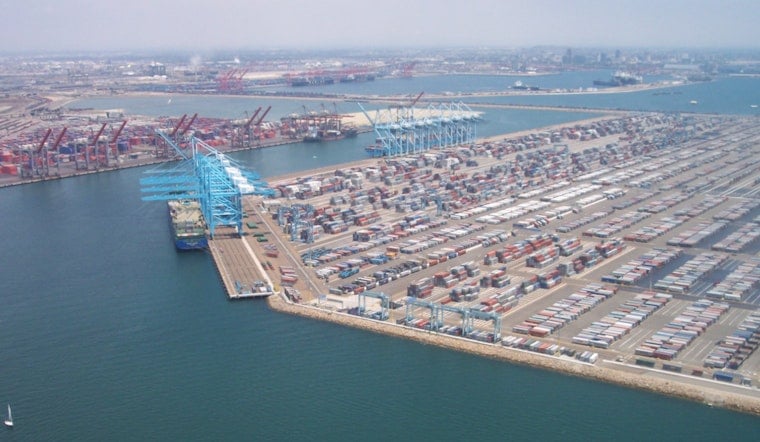
U.S. import prices climbed again in June, surprising traders and shoppers who were counting on a bit more relief at the checkout line. The government’s import price index rose 0.3% for the month, putting import costs 7.1% higher than a year ago, the biggest 12‑month jump since August 2022. Most of the pressure came from nonfuel goods and capital equipment, the kinds of items that can quietly work their way into retail prices over time.
According to the Bureau of Labor Statistics, import prices rose 0.3% in June after a 1.7% gain in May. Nonfuel imports were up 0.4% on the month, led by higher prices for capital goods such as computers, peripherals and semiconductors. Prices for consumer goods excluding autos increased 0.3%. By contrast, import prices for fuels and lubricants dipped 0.4% in June, although they are still 44.1% higher than a year earlier.
Economists surveyed by Reuters had expected import prices to fall about 0.7% in June, so the report landed on the wrong side of forecasts. The monthly increase also arrived at a time when several other price measures were slipping, a twist that complicates the neat story that inflation is steadily cooling. Traders and policymakers are now parsing whether stubborn import costs reflect ongoing pass‑through from tariffs, shipping issues and energy.
What the broader inflation data show
Other key inflation gauges moved lower in June. The Consumer Price Index fell 0.4% and the Producer Price Index for final demand declined 0.3%, helped by a pullback in energy that eased the headline numbers, according to the Bureau of Labor Statistics. The split between firmer import prices and softer consumer and wholesale readings leaves policymakers with a mixed backdrop as they debate when and how quickly to adjust interest rates.
Where higher import costs could show up
The categories that got more expensive in June include electronics, industrial machinery and apparel. Those are not impulse buys so much as staples of store shelves and business investment, and higher import invoices can creep into retail prices over several months as existing inventories are sold off. Local reporting has already spotlighted the role of energy and shipping disruptions: Fuel spike sent costs soaring described how earlier fuel shocks pushed import bills higher, and retailers could face more pressure if those forces stick around. How much of that eventually lands on consumers will depend on inventory timing, promotions and any tariff or refund adjustments in the pipeline.
What to watch next
Investors are now weighing whether persistent imported inflation might change expectations for Federal Reserve policy. Markets have already shifted the odds for near‑term interest rate cuts, Reuters reports. Upcoming data on import prices, retail sales and the next Consumer Price Index reading will help determine whether June’s bump is a temporary blip or an early sign that price pressures are becoming more stubborn again.





