

























































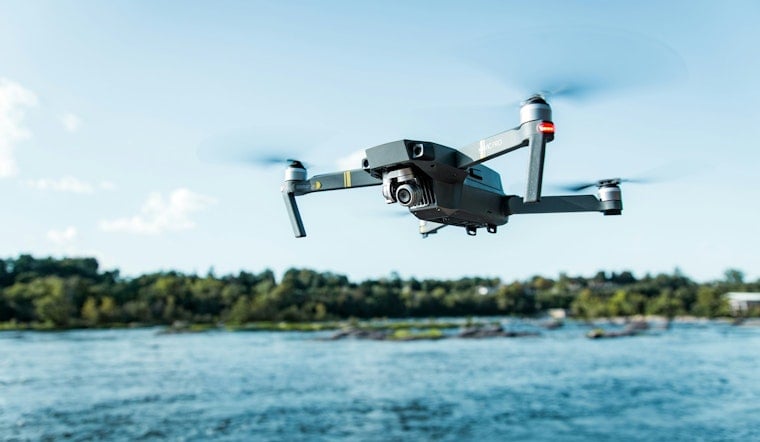
If you dial 911 in Jacksonville right now, there is a good chance a drone will get there before a deputy.
The Jacksonville Sheriff’s Office has quietly rolled out a new Drone as First Responder pilot that sends small aircraft racing to emergency calls. In its first month, the program has already flown to more than 200 calls, with flight times to scenes clocking in at roughly 40 to 60 seconds, often beating patrol cars. The roughly $610,000 state-funded initiative is aimed at speeding searches, boosting officer safety and helping track down missing people.
How the drones move
According to News4JAX, the aircraft are launched from patrol vehicles and beam live video back to officers and a real-time operations center. That feed lets crews watch suspects’ movements, look for anyone in medical distress and spot hazards before they get out of the car.
Officials say the program uses larger exterior drones for open-air searches and smaller interior models to safely scope out enclosed spaces. The basic idea is simple: let a small camera in the sky take the first look so people on the ground can make smarter moves.
Money and manpower
Sheriff T.K. Waters told News4JAX that “this doesn’t replace officers” and that the new tech “gives them better information to make more informed decisions.” Waters emphasized that the drones are meant to support patrols, not cut them.
News4JAX also reports that the pilot is backed by about $610,000 in state money. The funding request broke that out as roughly $523,000 for external drones and 25 interior units, plus $87,000 for a fixed-wing mapping aircraft, batteries and maintenance.
Backed by Tallahassee
State lawmakers carved out money for drone efforts in the SFY 2026-27 budget. The Florida Association of Counties notes that the General Appropriations Act includes a Drone as First Responder grant program along with implementing language that creates a formal path for local agencies to apply for those funds.
A growing trend
Jacksonville is not the first department to test this idea. Similar pilots around the country have shown how quickly a small aircraft can change a response, with agencies using live feeds to speed rescues and help contain suspects.
Fairfax County, Virginia, told FFXnow that its drones were first to the scene on more than 70 percent of early missions and averaged response times of under 90 seconds, numbers that helped convince neighboring departments to take a hard look at the model.
Privacy and oversight
The spread of drone policing has also triggered louder questions about privacy, including how long agencies keep footage, when they need warrants and how openly they notify the public about flights. Those concerns are coming from both civil-liberties advocates and police trade organizations.
The International Association of Chiefs of Police has published recommended guidelines that cover image retention, community engagement and operational limits for law enforcement drone programs. Many experts say agencies should follow that playbook as pilots expand. Jacksonville leaders say safeguards are in place to keep flights lawful and focused on safety. The International Association of Chiefs of Police document summarizes those recommended practices.
For Jacksonville residents, the early numbers from this pilot will be the real test. Local officials and state lawmakers say they want to see whether faster “eyes in the sky” actually translate into fewer victims and safer approaches for officers before any decision on a wider rollout.



