

























































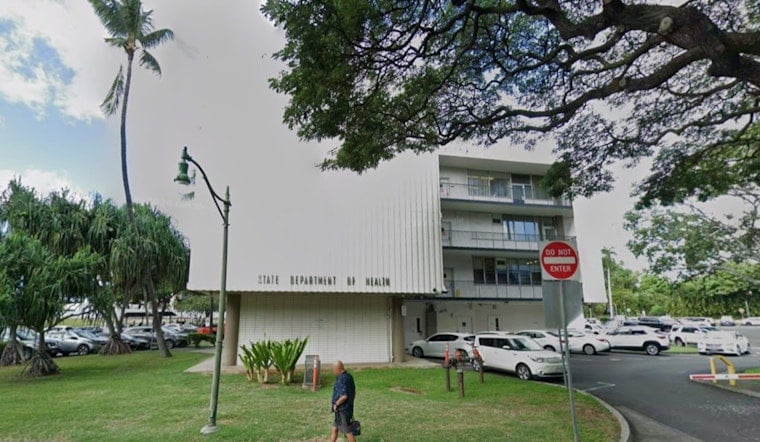
The Hawai‘i Department of Health has ordered a Kalihi community care foster family home to move out all residents and shut its doors by July 31, after the home’s operator entered a no-contest plea to a criminal charge tied to an elderly resident’s head injury. The shutdown order follows a state investigation and formal enforcement action that health officials say is meant to safeguard vulnerable seniors in care.
Operator Ederlina Manzano pleaded no contest on April 27 to one count of endangering the welfare of an incompetent person. The court placed her on a one-year deferment, imposed a $1,000 fine and required her to provide a written apology to the patient’s family, according to the attorney general’s office. The case was investigated and prosecuted by the state’s Medicaid Fraud Control Unit, which stressed that caregivers will be held to account when they fail patients. Quoting the familiar line that “the true measure of any society can be found in how it treats its most vulnerable members,” the unit’s director framed the case as part of that broader responsibility.
The Department of Health followed up with a Notice of Violation and Order that cited “serious and substantive violations” of state care rules and said Manzano did not promptly report the 87-year-old resident’s head injury or seek appropriate medical care, as reported by Hawaii News Now. Regulators ordered every client discharged and the Kalihi home closed by July 31.
State inspection files show patchy compliance
Records from the Department of Health’s Office of Health Care Assurance show the home had been flagged in earlier inspections for a string of shortcomings, including missing service plans, expired background checks and gaps in medication documentation. A later recertification visit on Feb. 19, 2026, however, found the home in compliance at that time. Those details are documented in inspection reports from Office of Health Care Assurance and Office of Health Care Assurance, which are part of the agency’s public files. The swing from prior deficiency notices to a later passing recertification is one reason both the Department of Health and the Attorney General’s Medicaid Fraud Control Unit pursued enforcement along with a criminal case.
Order timeline and next steps
Under the Department of Health order, Manzano has 20 days from the date she receives it to request a hearing in writing. If she does not ask for a hearing within that window, the order becomes final and enforceable, according to state reporting. Health officials say they will work with case managers and families to arrange safe discharges and new placements for each resident as the home winds down operations, Hawaii News Now reports.
Rules and legal context
Hawaii Administrative Rules chapter 11-800 sets the standards for community care foster family homes, including rules on staffing levels, recordkeeping and mandatory reporting, as outlined by Justia. The criminal count in this case falls under Hawai‘i law on protecting incompetents. Hawai‘i Revised Statutes §709-905 defines the offense of endangering the welfare of an incompetent person and classifies it as a misdemeanor, according to Findlaw.
How to report suspected abuse
People who suspect neglect or abuse in a care home can file a report with the Attorney General’s Medicaid Fraud Control Unit, which offers guidance and an online complaint portal on its website. Investigators and regulators say that tips from families, case managers and medical providers are often the first sign of trouble in small licensed homes, and the state urges quick reporting so residents are not left in harm’s way.





