

























































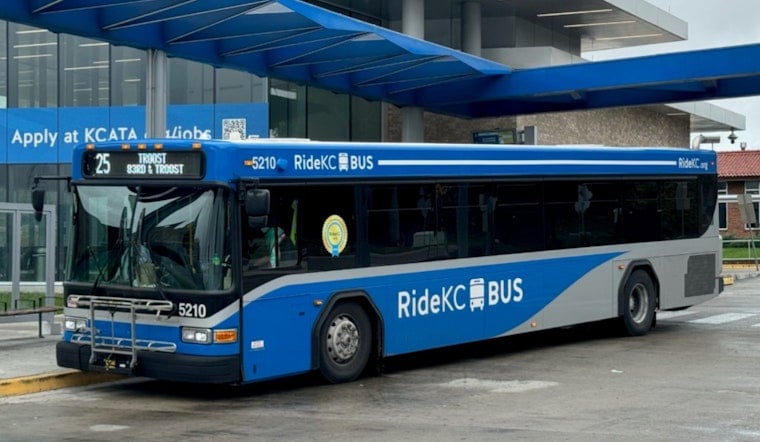
Kansas City's transit system will feel a lot different this fall, as some familiar bus routes disappear and others slow down. The Kansas City Area Transportation Authority plans to eliminate several weekday routes and scale back service on others when new schedules kick in on Sunday, Sept. 6, 2026.
Those changes were baked into the City of Kansas City's 2026-27 budget and operating agreement adopted in May, with the city allocating $83.8 million for transit operations, according to KCTV. Under that agreement, KCATA will eliminate routes 9, 21, 23, 25, 27, 57 and 71; cut frequency on routes 12, 18 and 35 to roughly hourly service; Route 75 was spared from being cut; and shift weekday headways on route 31 to about 30 minutes while boosting Troost MAX to 18-minute weekday service. Bridgette Williams, chair of the KCATA Board of Commissioners, told KCTV the agency is trying to preserve access for as many riders as possible despite the tough trade-offs.
Riders And Drivers Sound Off
Transit advocates and union leaders warn the shake-up will leave some commuters waiting longer and scrambling for new connections. Nic Miller, president of Amalgamated Transit Union Local 1287, told KCUR the "constant cuts and back-and-forth" have left drivers and riders in limbo, and said he expects roughly 60 union jobs to be affected. KCUR also reported that KCATA approved its 2026-27 contract with the city at a special board meeting and that some funding shifts were made this spring to soften parts of the impact.
How To Plan Before Sept. 6
Riders are being urged to study new timetables and maps now and to scout out backup options before the changes land. Updated route and schedule listings are posted on RideKC, and the regional call center at 816-221-0660 is available to walk people through connections and fares. KCATA also ran temporary service adjustments for the World Cup and posted construction reroutes this summer, so customers should keep an eye on ongoing bulletins that might complicate transfers.
Whether this new setup actually works for riders will hinge on future regional funding and how well the city and surrounding counties coordinate. KCATA says it remains committed to restoring and expanding service if and when money and partnerships line up.





