

























































Constables in Fort Bend and Harris counties are sounding the alarm about a new kind of student ride, urging a stretch of Houston-area school districts to keep high-powered electric motorcycles off campus ahead of the 2026-27 school year. The minibike-style machines, marketed as “e-motos,” are increasingly showing up near schools, and law enforcement officials say they can hit speeds on par with street motorcycles, raising both safety and legal red flags. Districts along the Katy-to-Cypress corridor have started weighing the request just as families get ready for fall.
The push arrived in formal letters from Fort Bend Precinct 1 Constable Chad Norvell and Harris County Precincts 4 and 5 constables Mark Herman and Terry Albritton. They asked several districts, including Katy ISD, Spring ISD and Klein ISD, to prohibit “unregistered electric motorcycles” and similar high-powered devices on school property, as reported by ABC13. The constables note that many of these machines lack standard roadway equipment and often require a driver license to operate legally.
Districts are already moving
Cypress-Fairbanks ISD told families in a June 25 message that the district will “strongly discourage” students from operating or parking unregistered motorized devices on district property, citing both safety and legal concerns, according to Cypress-Fairbanks ISD. The district said law enforcement has already identified machines on campuses that require a license to operate and has contacted parents to retrieve them. Cy-Fair officials also said they plan to partner with local constable precincts to offer motorized-vehicle safety education for students and families.
Which devices are targeted
Harris County Precinct 4 Constable Mark Herman told local reporters that his focus is on electric minibikes, pocket bikes and dirt-bike style machines that do not have pedals and exceed e-bike limits on speed and power, not on lawful Class 1-3 e-bikes. He said he has asked Klein, Tomball, Spring, Aldine, Cypress-Fairbanks and Humble ISDs to adopt campus prohibitions on those high-powered rides, per FOX 26 Houston. Herman and other deputies say these vehicles are often sold without lights, mirrors or other basic equipment normally required for safe street use.
Local government weighs rules
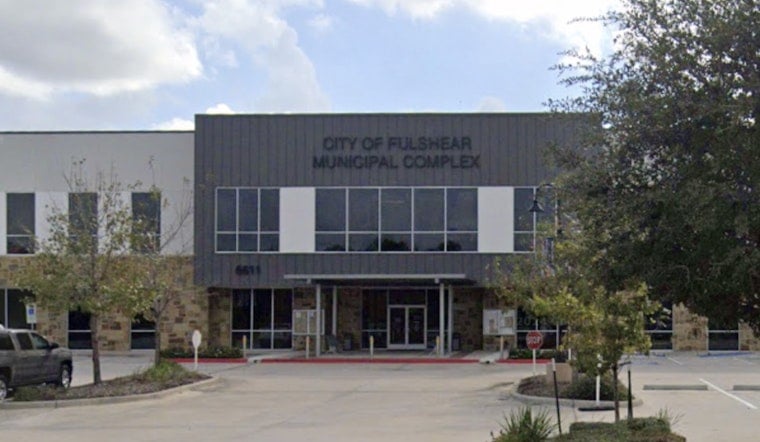
The city of Fulshear, which passed an e-scooter ordinance last fall, has also started revisiting its rules. A recent city council agenda flagged a discussion on e-scooters and potential next steps, noting that the current ordinance allows fines up to $500 and that police have issued one citation since the rules took effect, according to the City of Fulshear. City documents say council members will consider whether tougher enforcement or expanded prohibitions are needed around schools to better protect pedestrians and students.
Legal distinction and enforcement
Under state law, an “electric bicycle” must have pedals, a motor under 750 watts and a limited top assisted speed that fits into Class 1-3 categories. Machines that lack pedals or exceed those thresholds can be treated as motor vehicles and may require registration, insurance and a licensed operator, according to the Texas Transportation Code. Cypress-Fairbanks officials say that legal line is driving their effort to discourage or bar certain minibikes from campus after deputies identified devices at schools that fall outside the e-bike definitions used in state law, per Cypress-Fairbanks ISD.
District responses and next steps
Katy ISD told local outlets that it already does not allow “high-speed unregistered electric motorcycles” on campuses when school is in session and said its police department has been in communication with the constables, according to ABC13. Klein ISD said it will continue working collaboratively with law enforcement to keep students and staff safe. Other districts that received the letters told reporters they are reviewing the requests and considering administrative policy changes before classes begin.
Constables say they are prepared to team up with school police departments for outreach and safety training before students return. In the meantime, parents and guardians are being urged to check a two-wheeler’s labels and specifications to see whether it fits the legal definition of an e-bike or is a higher-powered motor vehicle that should not be ridden to campus. For now the practical rule of thumb is straightforward: pedals, labeling and a machine’s power and top speed go a long way in deciding whether it belongs at the bike rack or parked at home.





