

























































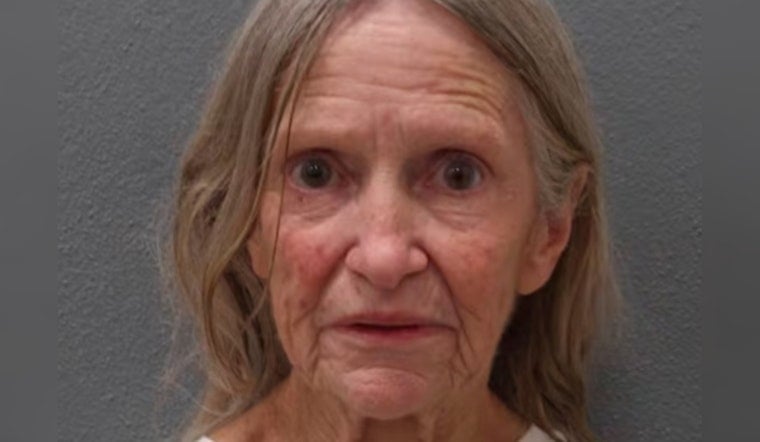
A Key Largo rental property that neighbors say turned into a revolving door of overdoses, late-night traffic and police visits has landed its 72-year-old owner in jail after a years-long run of alleged drug activity.
According to jail and arrest records, the landlord, identified as Sherry Lee Sears, is accused of renting out rooms to known drug dealers and users for roughly three years, effectively turning one home into what deputies describe as a chronic problem spot for narcotics and related emergencies.
Sears is charged with owning or renting a structure or vehicle while aware that drugs were being sold there, a felony count detailed by WPLG Local 10. Detectives obtained an arrest warrant and took her into custody Friday, and records show she was booked into the county jail and scheduled for arraignment on Sept. 1, the outlet reports. Bond information was not immediately available.
Allegations At The Key Largo Property
Deputies told investigators the landlord "knowingly rented multiple rooms to known drug dealers and users from 2023 through 2026," according to a statement quoted by WPLG Local 10. The Monroe County Sheriff's Office reports that the 200 block of Lignumvitae Drive repeatedly saw overdose emergencies, disturbances and narcotics arrests tied to the address.
Detectives say they linked the property to the continued use and sale of fentanyl, crack cocaine, cocaine and methamphetamine. Special Operations detectives with MCSO conducted multiple drug investigations at the house earlier this year, according to the outlet.
How Florida Law Treats Alleged 'Drug Houses'
Florida law makes it a crime to knowingly open, lease, rent, use or maintain any place for the purpose of manufacturing, distributing or using controlled substances. The statute, found in chapter 893, is aimed at properties that become locations "resorted to" for drug activity and can apply to property owners or managers who have knowledge of ongoing illegal drug use or sales, as outlined by the Florida Senate.
What Courts Look For In 'Crack House' Cases
Appellate rulings interpreting that law explain that prosecutors generally must show proof of ownership or control, a pattern of illicit activity over time and that the property was maintained for drug purposes rather than being the site of a single, isolated event.
A 2006 Florida appellate decision examined how courts weigh those elements in so-called "crack house" prosecutions, pointing to factors such as managerial control, regular traffic and services that indicate a place is kept for drug use or sales, according to an opinion published at Justia.
What Comes Next In The Case
Sears is due in Monroe County court on Sept. 1 for arraignment, and the case remains in the investigative and charging phase until then. Prosecutors will have to present evidence connecting her property management decisions to the persistent drug trafficking alleged by detectives.
Defense attorneys in similar cases typically scrutinize whether owners had the required knowledge or control over what was happening on site, setting up a legal battle that turns on how much a landlord knew and when they knew it.





