

























































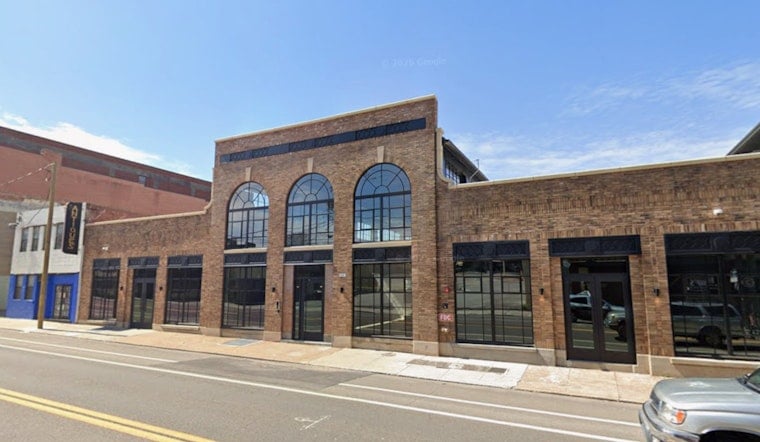
From faded laundries to former utility offices, Knoxville's older buildings are back on the clock. Local businesses and institutions are increasingly choosing to occupy, rather than replace, aging storefronts, warehouses and department-store shells. Those conversions are reshaping blocks across downtown and North Knoxville, preserving façades and everyday storefront rhythms while adding offices, clinics and small retail. Local leaders say the strategy keeps neighborhood identity intact as jobs and foot traffic return to streets that might otherwise wind up as blank redevelopment sites.
Executives say character and walkable streets are not just nice-to-haves, they help seal the deal when recruiting and when neighbors notice activity on the block. Dooley Tombras and McCarty Holsaple McCarty have both pointed to those benefits. Tombras told the Knoxville News Sentinel that moving into older buildings "is critical to recruit the world-class talent that we need to come to Knoxville," and Nathan Honeycutt called one conversion "a very unique place that has a story," as reported by the same outlet.
MHM's Sanitary Laundry Revival
McCarty Holsaple McCarty purchased the long-vacant Sanitary Laundry at 625 North Broadway and plans to convert the 30,000-square-foot building into its headquarters and shared commercial space, with local coverage describing the work as roughly an $8 million redevelopment. The project advanced after the city's redevelopment arm helped secure remediation funds and the council approved payment-in-lieu-of-tax incentives that cleared environmental and financing hurdles, according to KCDC. The project team says it will pursue federal historic tax credits as part of the financing package.
Tombras' Gay Street Move
The Tombras Group renovated the old Knoxville Utilities Board building on South Gay Street into a creative-office campus with studios, public patios and street-level retail as part of a multi-million-dollar conversion completed in 2018. The city highlighted the façade restoration and construction milestones as a visible example of downtown rejuvenation and design-driven reuse, per the City of Knoxville.
Clinics and the street-level comeback
Adaptive reuse has made space for public services as well as private firms. The University of Tennessee Health Science Center lists its audiology and speech-pathology clinic at 600 Henley Street, putting steady daytime clinic traffic back into a historic department-store block. The downtown clinic location illustrates how reuse can restore both services and sidewalk life to central neighborhoods, according to UTHSC.
Why reuse matters
Reusing existing buildings also cuts environmental costs. A 2011 life-cycle analysis from the Preservation Green Lab found that, in many cases, reuse results in lower climate and resource impacts than demolition and ground-up replacement. Local teams are pairing those savings with modern performance goals. For example, project leaders have said they will pursue high-performance certifications and historic credits as part of retrofit packages, creating spaces that combine character with the amenities companies still want, per project statements and reporting.
City programs, including remediation grants, PILOT incentives and historic-credit tools, are becoming the backbone of a reuse pipeline that keeps storefronts active while enabling new uses, redevelopment officials say. Other recent projects, from school conversions to downtown rehabs, show reuse is becoming a practical toolbox for preserving neighborhood identity while adding jobs and services, as local coverage has documented.





