

























































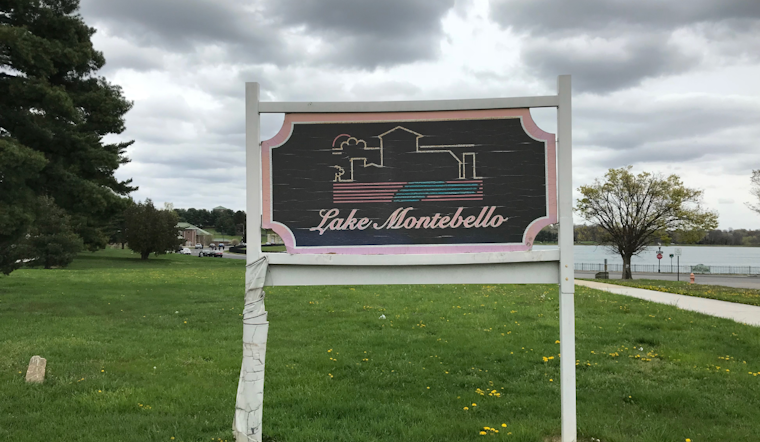
Lake Montebello is finally getting its long-promised cleanout, and regulars can breathe a cautious sigh of relief. Baltimore officials have signed off on a two-year dredging project that city engineers say will strip away decades of sediment and restore the lake’s ability to support the Montebello Filtration Plant. The work, set to kick off this fall after years of sinkhole fixes and procurement drama, will bring heavy equipment and some closures, but city planners say most of the popular walking and biking loop will stay open through temporary bypasses.
Board Signs Off After Long Road to Yes
According to The Baltimore Sun, the Board of Estimates has approved the contract with American Process Group, with dredging expected to take about two years once crews mobilize this fall. The Sun reports that multiple rounds of bidding and a formal protest dragged out the schedule, while Department of Public Works leaders told the paper they were also hit with equipment delays and higher costs tied to global supply chain snarls.
What Changes for the Lakefront Loop
The city’s Department of Public Works says the project will require sections of the loop to close for construction staging, but a temporary bypass will keep pedestrians and cyclists moving around most of the lake. As laid out by the Baltimore City Department of Public Works, the dredging is intended to restore the lake’s role in supporting the Montebello Filtration Plant and to satisfy Maryland Department of the Environment requirements. DPW says it will post signage, mark detours, and try to keep disruptions in check for daily users.
Rebids, Protests and the Winning Number
City procurement records show the job went back out to bid in December 2025 after earlier attempts came up short. The Board of Estimates bid-opening spreadsheet lists American Process Group as the low bidder at about $23.99 million. The bid opening file captures those December results, while a separate protest binder filed with the Comptroller's Office details earlier legal challenges over MBE/WBE participation and bid responsiveness in 2024 and early 2025. Despite the paperwork battles, city filings and reporting show the Board moved ahead with the award this month.
What the Sediment Tests Showed
Technical addenda included with the contract package feature sediment sampling and lab testing that did not detect heavy metals or other prohibited contaminants in the lake material, a key finding for how the dredged residuals will be handled and disposed of. The DPW addendum and residuals report details the sampling locations and laboratory results that the city used to estimate dredge volumes and develop safe handling plans. Officials say additional sampling during construction will continue to guide disposal decisions as work moves forward.
What Neighbors Can Expect on the Ground
Nearby residents and regular visitors should brace for weekday construction noise, truck traffic and short-term closures of parts of the loop as crews move equipment and material. City records and reporting put the winning bid in the low $24 million range, with the usual caveat that final costs could shift with construction changes. The city maintains that most of the path will remain usable through detours, and anyone looking for more detail on staging or timelines can track DPW updates or contact the department directly with questions.





,_Baltimore,_MD_21218_(26911028047).jpg)