

























































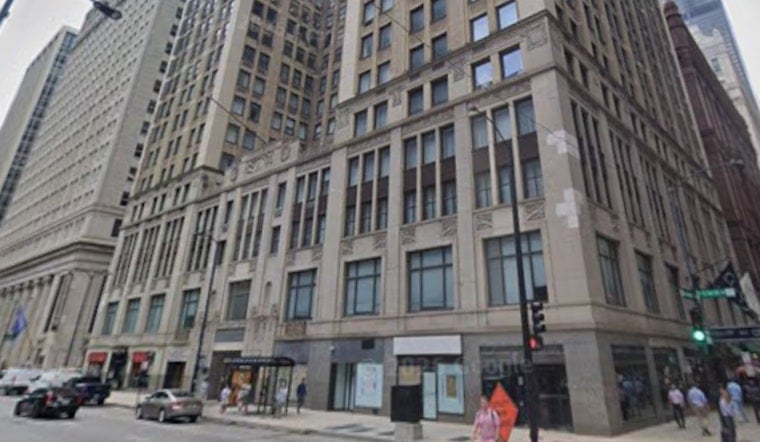
A high-stakes lawsuit is throwing serious shade on a $184 million plan to carve hundreds of apartments out of the historic Clark Adams Building, putting the project’s timeline and public subsidies in jeopardy. The plaintiffs say they were blindsided when control of the conversion shifted, and now City Hall and the development team are stuck weighing legal risk against promised affordable housing and construction jobs.
As reported by Crain's Chicago Business, the civil case has “gained traction” in Cook County, with Celadon Partners and Blackwood Group accusing Primera Group and investor Marc Calabria of improperly seizing control of the redevelopment. Recent filings suggest the feud could tangle landmark designation and disrupt the flow of tax-increment financing and historic tax credits that prop up the conversion.
What The Plaintiffs Allege
Celadon and Blackwood say they were cut out of the deal after working with Gabriel Martinez and his Primera Group on a bid to convert the 41-story tower. Their Cook County complaint alleges breach of contract, fraud and tortious interference. The Real Deal reported that the plaintiffs “lost more than $15 million in potential fees and development upside,” and are asking the court for damages and other relief to claw back their costs.
The Conversion Plan At Stake
Primera’s blueprint would turn floors 11 through 40 into roughly 400 apartments as part of a roughly $183–$184 million redevelopment. The financing stack leans heavily on a TIF award of about $67.5–$68 million, along with historic tax credits, debt and developer equity, as Bisnow reported. City documents show about 30 percent of the units would be reserved as affordable, with new ground-floor commercial space helping sell the public benefits of the plan.
Who Else Is Pushing Back
The courtroom drama is not just a local dust-up between former partners. National heavyweights have stepped in too: The Real Deal reported that Blackstone, which owns the Club Quarters hotel in the same building, and its lender CWCapital have warned city officials they will sue if the conversion moves forward. Their attorneys argue that an easement agreement could block rezoning or landmark actions needed to clear the way for apartments above the hotel, a tactic that could bog down approvals in court for months.
Why The Outcome Matters For LaSalle Street Reimagined
The Clark Adams deal is one of the headline projects in the city’s LaSalle Street Reimagined initiative, so any court-driven slowdown has the potential to rattle other office-to-residential conversions that depend on similar incentive packages. Preservation Chicago has cheered the adaptive reuse of the Burnham‑era tower and pushed for landmark designation, while local coverage has emphasized that landmark status is key to unlocking historic credits that make the financing math work.
What’s Next
The lawsuit is still pending in Cook County, and Crain's Chicago Business reports that the plaintiffs are pushing ahead with filings that could spur the city or lenders to put approvals on ice. The developers insist the plan still delivers badly needed affordable units and jobs, but attorneys caution that the dispute is likely to slow any schedule for landmarking, TIF disbursement or the sale of historic tax credits. In other words, even if the project survives, it might limp to the finish line.
Legal Implications
If Celadon and Blackwood prevail, they could win damages or succeed in unwinding parts of the existing deal, outcomes that would scramble the capital stack and potentially force a fresh round of negotiations with city officials. Even a clean dismissal would probably mean months of delay and higher financing costs. Preservation Chicago has argued that approvals and public incentives are tightly tied to clarity on who controls the building, making the timing of any legal resolution crucial to whether the Clark Adams conversion actually pencils out.



