

























































A Lincoln man who treated pandemic aid like his personal jackpot was sentenced Tuesday to a year in federal prison after authorities said he siphoned off nearly $1.5 million in COVID relief loans to fund a luxury lifestyle that included leased sports cars and a multi-million-dollar land deal.
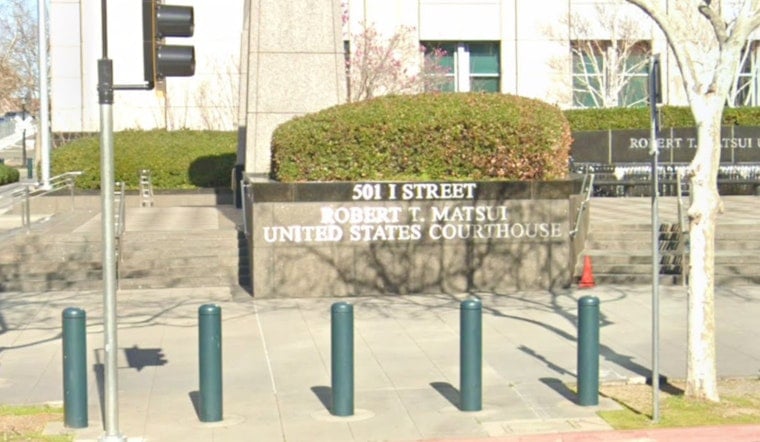
Jedrek Upton, 45, stood before Senior U.S. District Judge John A. Mendez in Sacramento federal court and received 12 months in prison, followed by three years of supervised release. As part of that supervision, he will spend 12 months on home detention. He was also ordered to pay nearly $1.5 million in restitution, according to the U.S. Attorney’s Office.
Prosecutors say Upton repeatedly tapped into COVID-19 disaster relief from January 2021 through May 2022 by submitting bogus applications that dramatically inflated payroll numbers and relied on falsified IRS forms. A large share of those loans was later forgiven after Upton falsely certified that the money had gone to employee paychecks and legitimate business expenses, according to the U.S. Attorney’s Office.
Upton pleaded guilty in November to one count of wire fraud and one count of money laundering, IRS Criminal Investigation said. The agency, which led the probe, said court records show several of Upton’s businesses had no employees or payroll at all, even as he applied for relief claiming sizable payroll costs.
How Prosecutors Say He Spent the Money
Once the cash started flowing, prosecutors say, Upton steered the funds toward a wish list of personal splurges. According to court filings, he used the money to pay off personal credit-card bills, transfer cash to other people, lease a Ferrari and a Lamborghini, and put a hefty down payment on a 10-acre property with a price tag of about $2.7 million.
Upton has since forfeited his interest in that parcel and was ordered to repay nearly $1.5 million to the federal government, The Sacramento Bee reported.
Sentence, Forfeiture and Restitution
Judge Mendez imposed a year in prison followed by 36 months of supervised release, with one of those years to be served on home detention, according to the U.S. Attorney’s Office. Assistant U.S. Attorneys Dhruv M. Sharma and Kevin C. Khasigian handled the prosecution.
In addition to the prison time and supervision, Upton’s restitution order and property forfeiture are aimed at clawing back the misused funds and returning them to the U.S. Treasury.
How This Fits Into National Enforcement
Federal officials say Upton’s case is just one slice of a much larger crackdown on pandemic-era relief fraud. Investigators have been steadily targeting schemes in which applicants hijacked COVID aid programs for luxury cars, real estate, and personal spending instead of keeping real businesses afloat.
That effort remains a priority for IRS Criminal Investigation, which says agents are still tracing fraudulent applications and pushing for forfeiture and restitution wherever they can show funds were diverted from legitimate business needs.
Hoodline Context
Hoodline first reported on Upton last November, when he admitted to wire fraud and money laundering in a federal plea deal. You can revisit that coverage at Upton’s Guilty Plea. Tuesday’s sentencing brings that case to a close, one that prosecutors said turned on inflated payroll figures and forged records.
At the time he pleaded guilty, Upton was staring down far steeper maximum penalties. The sentence he ultimately received reflects Judge Mendez’s calculations under the federal sentencing guidelines and the terms negotiated in the plea agreement.





