

























































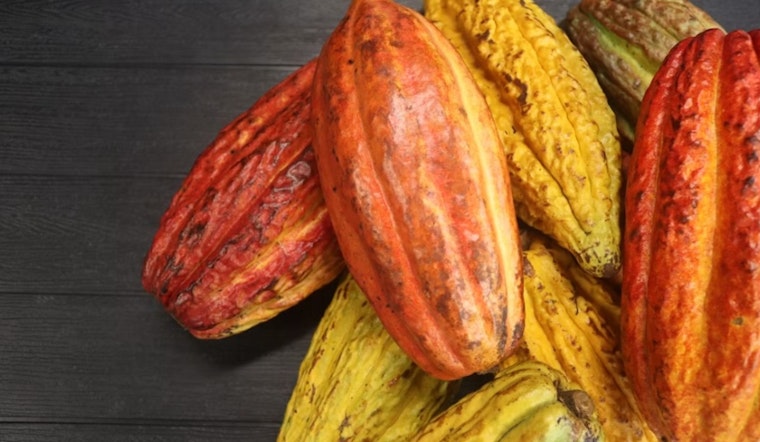
Honolulu-based Lonohana Estate Chocolate has sealed the deal on Waialua Estate, picking up 151 acres on Oʻahu that include more than 60 acres of mature cacao. With the purchase, the company becomes Hawaiʻi’s largest cacao grower, shifting the island’s biggest cacao planting out of corporate hands and into local stewardship, and giving one homegrown maker a serious boost in raw materials for its bean-to-bar ambitions.
In a press release, Lonohana Estate Chocolate said it acquired the Waialua orchard from Dole Food Company and that the deal "more than quadruples" its cultivated cacao, building on a 14-acre agroforestry farm above Haleʻiwa. Founder and CEO Seneca Klassen called the purchase a "critical transition" for Hawaii-grown chocolate and framed it as a way to preserve farmland while growing local processing and jobs. The company says the orchard will feed both its Lonohana and Onomea brands as it ramps up production.
As reported by the Honolulu Star-Advertiser, Lonohana paid about $8 million for the property, while Dole has been marketing thousands of acres of mostly fallow land from Wahiawa to the North Shore. Dole first planted cacao on Oʻahu in 1996 after closing the Waialua Sugar Mill, according to the Hawaii Department of Agriculture, underscoring the company’s long, if quiet, role in island-grown chocolate.
Gund Backing And Nearby Sales
Lonohana said the acquisition came together with support from George and Gloriana Gund, whom the company credits with sharing its regenerative-agriculture goals. A nearby deal reported by SFGate shows a Gund-linked group also bought roughly 92 acres of former Dole land for about $5 million, a sign that pieces of the old plantation landscape are being split off to buyers who plan to keep the land in agricultural use.
What This Means For Local Chocolate
Local coverage and industry reports have long noted that Hawaiʻi needs bigger, more reliable supplies of island-grown cacao, plus more processing capacity, if bean-to-bar makers are going to scale. Hawaii Magazine has tracked that trend and Lonohana’s steady rise. By plugging mature cacao orchards directly into its Kakaʻako factory and retail operation, Lonohana says it can keep more value-add in Hawaiʻi, though neighbors and regulators will be watching how the new acreage is cared for over the coming seasons.
Lonohana and its partners say the plan prioritizes regenerative agroforestry, local jobs and land preservation, and, as reported by the Honolulu Star-Advertiser, the company also expects to expand its retail footprint in Waikīkī in the near term. For Oʻahu’s chocolate scene, the sale marks a rare case of large plantation-era acreage moving into specialty, locally focused production, and the coming harvests will show whether that shift translates into real economic and environmental gains for the North Shore community.





