

























































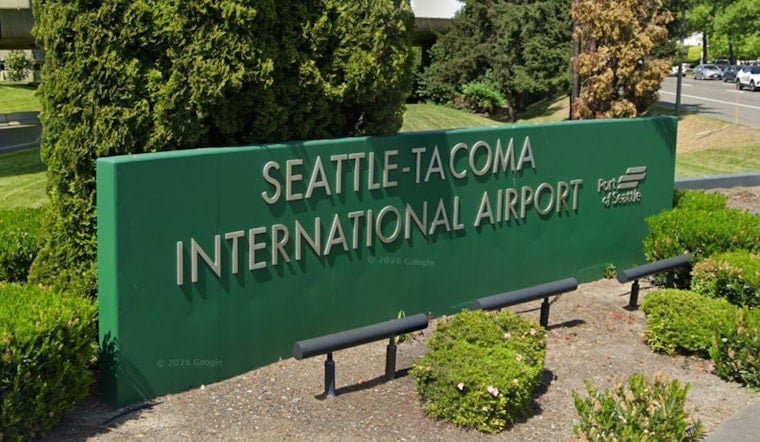
Low clouds hanging over Puget Sound turned Sunday morning at Seattle-Tacoma International Airport into a slow crawl, as air traffic controllers spaced out arriving flights and more than 60 trips were delayed and at least two were canceled by mid-morning. Post-holiday travelers and soccer fans heading into the city for a World Cup match were left waiting while planes were metered into Sea-Tac.
What happened at Sea-Tac
As reported by FOX 13 Seattle, more than 60 flights were delayed and two flights were canceled by 9:30 a.m. on July 5 after the FAA's Air Traffic Control System Command Center put a traffic-management program in place because of the low-hanging cloud layer. Incoming flights were given extra spacing during the morning as a safety precaution, and that slower approach pattern spilled over into departure schedules.
FAA traffic management in effect
The FAA real-time airport status page for SEA showed airborne arrival delays along with gate and taxi holds, and it warned that the traffic-management steps could affect departures as well. That page was updated July 5. Metering arrivals is a standard move when ceilings drop and visibility falls, and the FAA said increasing the spacing between aircraft is necessary to keep approaches safe in low-visibility conditions.
Crowds, schedules and a system at capacity
FOX 13 noted that the delays hit just as post-Fourth-of-July travel picked up and thousands of fans arrived for the U.S. World Cup match, adding extra strain to the morning schedule. Sea-Tac has been operating near capacity this summer, a pressure point Hoodline previously documented in Sea-Tac Squeeze, which means even relatively minor weather hiccups can snowball into dozens of delayed flights.
What travelers should do
Anyone with tight connections or same-day plans is being urged to check directly with their airline and keep an eye on the SEA status information via the FAA. Flight-tracking services such as Flightradar24 and individual airline apps can show where inbound aircraft are and how far they are from the gate, and when arrivals are being metered like they were Sunday morning, those knock-on delays can linger for hours.





