

























































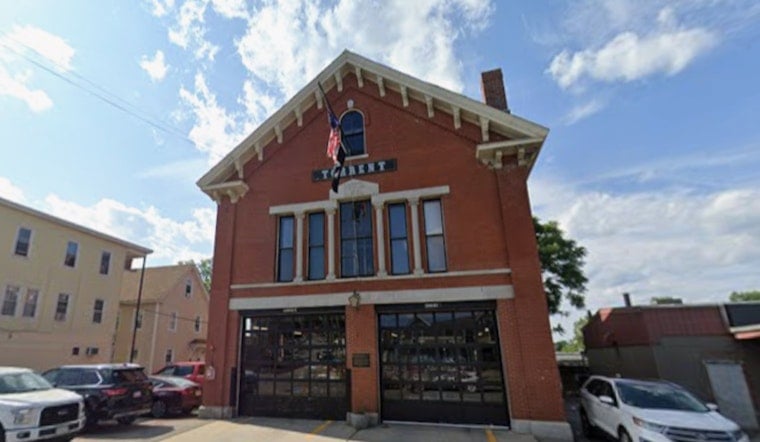
Lowell is staring down about $7 million in fix-up costs for five aging neighborhood firehouses, after a city-commissioned engineering review found years of deferred maintenance stacking up. The buildings, some more than a century old, are showing everything from failing roofs and outdated electrical systems to hazardous-material problems that need to be dealt with before crews can safely work inside. City leaders are pitching the effort as a mix of quick stabilization and a longer-term decision on whether some houses should be renovated or replaced outright.
On Tuesday, the City Council voted to refer a motion to the Public Safety Subcommittee, chaired by Councilor Vesna Nuon, to dig into a detailed plan and funding strategy for the work. The council has already set aside capital dollars in recent plans to get the ball rolling, and officials say the goal is to launch stabilization projects while those bigger renovation-versus-replacement calls get sorted out. As reported by the Lowell Sun, the move is meant to balance safety concerns with a capital plan that is already packed.
The city brought in Colliers Engineering & Design to perform a facility-condition assessment and serve as owner’s project manager. Consultants went through each station, cataloguing deficiencies and tallying up what it would take to get them back into reliable shape. The firm found that all five priority houses need substantial capital investment and recommended first addressing safety, completing structural and hazardous-material analyses, and running a renovate-versus-replace study at the costliest sites. Colliers also suggested that bundling similar trade work across multiple firehouses could trim costs and speed up the construction timeline.
Station-by-station estimates
Colliers and local briefings identified five stations as top priorities: High Street, Branch Street, Gorham Street, Lawrence Street and West Sixth Street. Each comes with a multi-million-dollar price tag for immediate repairs and deeper modernization. Estimates run from roughly $1.5 million to north of $5 million depending on how extensive the work is, with Branch Street and Gorham Street showing the widest cost ranges and the Lawrence Street station flagged as the most capital intensive. These figures, drawn from the consultant review and local reporting, cover both full modernization and more targeted rehabilitation options. The Colliers Engineering & Design report provides the detailed station breakdown.
Funding and what comes next
City staff told councilors they plan to package work across the stations wherever it makes sense, and to lean on a mix of already-authorized capital funds, outside grants and Community Preservation Act money to pay for stabilization and design. The logic behind bundling projects and using an owner’s project manager was spelled out in a city memorandum that summarized inspection findings and laid out the next steps. The push to move quickly is coming at the same time as broader budget strain and staffing questions that have left the department stretched in recent months, including a debated proposal earlier this year that would have cut firefighter positions, according to CBS Boston.
The Public Safety Subcommittee will now sift through cost estimates, hazard-removal plans and possible timelines. The expectation is that the group will recommend a shortlist of immediate fixes to contain hazards and shore up the oldest buildings, even as the city chases larger pools of money and designs for more expansive renovations. For neighbors who live near these stations, the early wins are likely to be safer, more stable buildings, with the bigger question of replacement versus renovation answered only after a full cost-benefit analysis is finished.





