

























































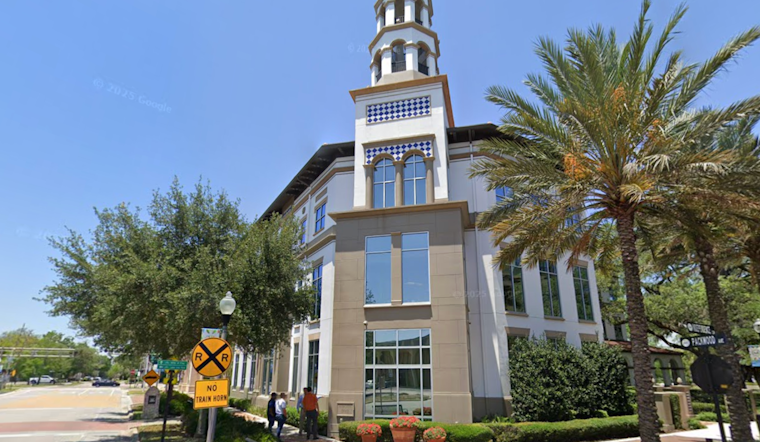
A new multimodal traffic study is putting numbers to what downtown Maitland drivers, walkers, and cyclists already feel in their daily grind. The report tallies 138 crashes along Maitland Avenue between 2018 and 2022, including one fatality, and lays out a slate of specific fixes aimed at untangling key trouble spots. It calls out snarled intersections where cars, pedestrians and bikes routinely cross paths, with Packwood Avenue at Orlando Avenue and the George Avenue crossing flagged as top priorities. City leaders are slated to review the final report at a Monday night meeting.
As reported by WKMG ClickOrlando, downtown resident Daniel Perez summed up the daily chaos this way: “It gets very hectic… packed up, especially during rush hour.” The station also notes that city leaders are expected to discuss the study Monday night, July 13.
What the study recommends
According to the Downtown Maitland Multimodal Study final report, dated June 12, 2026, the project charts crash history, multimodal gaps and short-term safety opportunities across the downtown core. Planners recommend a package of intersection reconstructions, new pedestrian crossings, and streetscape improvements to slow vehicle speeds and improve visibility.
The study specifically calls for a new crosswalk at George Avenue and Maitland Avenue, one of the key locations where people on foot mix with through traffic. It also sketches out concept designs for the George Avenue and Packwood Avenue corridors, giving the city an early blueprint for what changes could look like on the ground.
Packwood and Orlando Avenue: a redesign to reduce conflict
The final report singles out Packwood Avenue at Orlando Avenue, also known as U.S. 17‑92, as a major crash hotspot and focuses on ways to protect people walking and biking through the area. Recommended changes include speed tables, a 12‑foot shared‑use path, concrete separators and upgraded lighting to create more separation between cars and more vulnerable road users.
Planners even spell out a specific turning configuration at the intersection, stating that the design would use “one lane for right, left, and through movement.” The report backs up those ideas with concept-level cost estimates for the Packwood and George corridors, offering city officials a sense of what it might take to pay for the upgrades.
Where this fits with downtown plans
The study was prepared with public outreach and in coordination with MetroPlan Orlando, the city says, and the city’s project page outlines a public survey and contact information for the study team. The recommendations also line up with broader downtown investment efforts, including an Independence Lane extension that is intended to expand the city center, as reported by the Orlando Business Journal.
How quickly any rebuilt intersections or new crosswalks materialize on the street will depend on council action and available funding. For now, the multimodal study gives local leaders a clear menu of near-term, buildable fixes to test. Residents and downtown businesses should expect the debate to continue as officials weigh safety improvements, emergency access and budget priorities, and decide which crash hotspots get attention first.




