

























































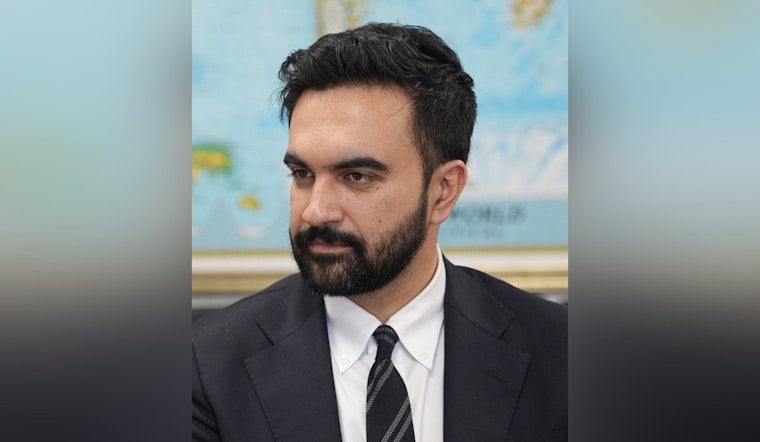
Mayor Zohran Kwame Mamdani invoked the Statue of Liberty on Wednesday as thousands of Haitian New Yorkers face the loss of temporary immigration protections and work authorization. His message was part reassurance, part warning: New York City will not quietly accept the federal government pushing longtime residents into fear and uncertainty.
In a Wednesday post, Mamdani said the city’s history and laws reflect a tradition of welcoming people seeking safety or a better life. He told Haitian immigrants, “You belong here,” while directing residents to free legal help and responding to a local report about the status changes.
The mayor’s intervention comes after the U.S. Supreme Court’s June 25 decision allowed the Trump administration to end Temporary Protected Status for Haitians and Syrians. In an earlier statement, the Mayor’s Office said the ruling could affect tens of thousands of New Yorkers who have built families, businesses and careers in the city.
The promise of New York City is inscribed on the Statue of Liberty. To every immigrant New Yorker living in fear today: you belong here.
— Mayor Zohran Kwame Mamdani (@NYCMayor) July 29, 2026
What The TPS Change Means For Haitian New Yorkers
About 350,000 Haitians nationwide hold TPS, including roughly 5,400 people in New York City, according to NY1. The program has allowed eligible Haitians to live and work legally in the United States while conditions in Haiti remained unsafe, but the end of TPS can affect employment, immigration status, family finances and exposure to deportation proceedings.
The city’s Mayor’s Office of Immigrant Affairs says each person’s options are different and urges Haitian New Yorkers to consult a trusted immigration attorney or Department of Justice-accredited representative. Its official guidance lists the NYC Immigration Legal Support Hotline at 1-800-354-0365, offering free and confidential referrals in multiple languages.
Immigration Is Central To New York’s Identity
Mamdani’s appeal to the Statue of Liberty also reflects the city’s latest demographic data. The Newest New Yorkers report says immigrants make up more than one-third of the city’s population and 43% of its workforce, with about 3.1 million foreign-born residents across the five boroughs.
The practical consequences are already being felt beyond City Hall. The Associated Press reported that employers around the country have suspended Haitian workers amid confusion over employment authorization, particularly in hospitality, construction and long-term care.
For Mamdani, the message is clear: federal immigration policy may determine who has legal protection, but New York City still intends to decide how its government treats the people who live and work here. His promise that anyone coming for Haitian New Yorkers would have to get through their neighbors first is unlikely to settle the legal fight, but it does establish the city’s political posture as the uncertainty moves from courtrooms into homes, workplaces and neighborhoods.





