

























































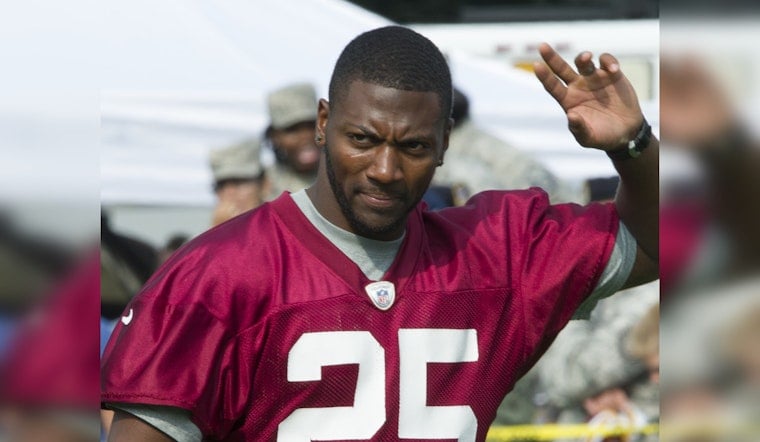
Ryan Clark, the Marrero native and former LSU star, says ESPN did not just quietly move on from him. It fired him, he says, and he believes race was at the center of it. Speaking on The Pivot podcast, Clark described changing how he acted on air and told listeners, “I couldn’t be too Black,” as he talked through his exit from the network. He also pushed back on any notion that he was simply part of a routine corporate trimming, saying, “I wasn’t laid off, I was fired,” as the decision unfolded during an on-air stoppage.
What Clark Told Listeners
Clark told co-hosts Channing Crowder and Fred Taylor that he intentionally softened his tone and tried to steer clear of conflict at ESPN, hoping that would help him stay in his role, as reported by NOLA.com. Those adjustments, he said, did not protect him from being let go, and he framed the decision as personal instead of a broad cost-cutting move. Clark has been a prominent ESPN presence since 2015 and continues to host The Pivot podcast.
How The Network Handled The Exit
Media reporter Andrew Marchand of The Athletic first revealed that Clark was told about the decision during a live episode of “NFL Live,” a sequence later laid out by NBC Sports. Coverage from Awful Announcing detailed how ESPN scrambled once it became clear other outlets were about to publish the story, and that the network decided to have Clark step away mid-broadcast rather than risk him seeing the news online in real time. The way that notification unfolded has drawn almost as much attention as the firing itself.
Part Of A Larger Restructuring
Clark’s departure landed in the middle of a wider series of staffing changes tied to ESPN’s integration of NFL Network assets, according to a memo to staff obtained by the Los Angeles Times. Industry reports say other on-air figures, including Karl Ravech, Tom Pelissero and Cam Newton, were also hit as the network reshaped its roster. Executives have described the overhaul as a way to consolidate resources after a major league rights deal, while critics have questioned how the changes were rolled out.
Clark Pushes Back
Clark has challenged some accounts of how his final show went. On X, he wrote that he asked producers, “should I be done now?” and was told “yes,” according to The Daily Beast. On The Pivot, he again described trying to be less confrontational on air to match what he felt the company wanted, only to lose his job anyway. Inside ESPN, colleagues such as Stephen A. Smith publicly criticized how the network handled the exit and called for a more respectful process for high-profile talent.
What It Means Locally
For fans in the Gulf South, Clark’s journey from Marrero to LSU to the NFL and then to a national studio desk gives this story extra sting. With his podcast and other independent platforms still in his control, Clark can continue speaking directly to his audience while the broader debate swirls around race, editorial boundaries and how networks treat outspoken personalities. For now, the fallout has shifted the focus from headcount and contracts to questions about culture, power and who gets to set the tone at big sports media outlets.





.jpg)