

























































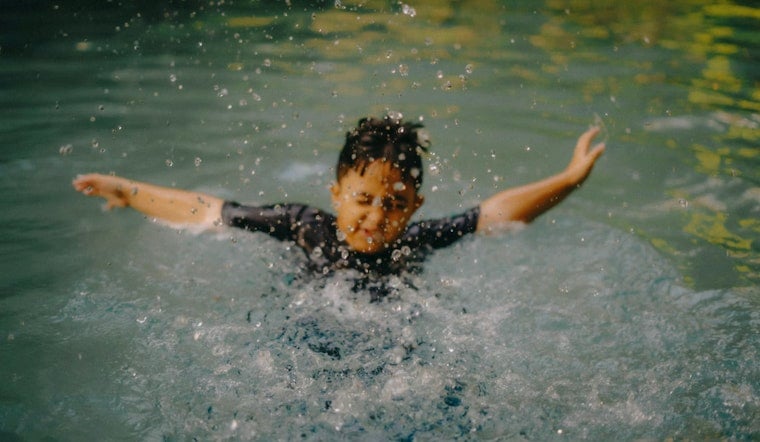
Fatal child drownings are climbing again across the United States, and metro Atlanta families are feeling it up close this summer. Local authorities have investigated several recent incidents in apartment and backyard pools that left toddlers dead or critically hurt, prompting fresh alarms from pediatricians and public health officials. With warm weather pushing more families to pools, lakes and beaches, experts say it takes only a brief lapse in supervision for a fun afternoon to turn into a tragedy.
CDC: Drownings Are Rising Again
After decades of decline, drowning deaths are back on the upswing nationwide, according to the CDC. The agency's Vital Signs report found more than 4,500 drowning deaths per year from 2020–2022, roughly 500 more deaths annually compared with 2019. Drowning remains the leading cause of death for children ages 1 to 4. In response, the CDC is urging wider access to basic swim lessons along with other proven prevention steps in an effort to reverse the trend.
Local Toll This Summer
In late June a 2-year-old boy died after an apparent drowning in an apartment clubhouse pool in Roswell, according to The Atlanta Journal-Constitution. That case, along with other recent close calls, has pushed local hospitals and parks staff to ramp up reminders about barriers, supervision and access to swim lessons. A recent video segment spotlighted the rising local numbers on FOX 5 Atlanta. Investigations into individual cases are still underway, but pediatricians say the pattern already looks worrisome.
AAP Updates Guidance, Flags Racial Gaps
The American Academy of Pediatrics updated its drowning-prevention guidance in mid-2026, calling for a layered safety strategy that combines formal swim lessons, four-sided pool fencing, life jacket use and constant, arm-length supervision for toddlers, according to the American Academy of Pediatrics. The AAP and its technical reports also underscore widening racial and sociodemographic disparities in fatal drowning rates and urge communities to invest in equitable access to swim lessons and lifeguards. Pediatricians stress that policy changes and local programs, not just watchful parents, are needed to bring the numbers down.
Prevention Tips Experts Say Work
Public health guidance emphasizes several steps that research shows can make a real difference. Caregivers are urged to maintain touch supervision for young children, install four-sided fences with self-latching gates around home pools, require life jackets on boats and expand affordable, culturally appropriate swim lessons, as outlined by the CDC. Adults watching swimmers should also learn hands-only CPR and avoid alcohol while on duty. Local programs and funders, experts say, can help by subsidizing lessons and hiring diverse aquatic staff who reflect the communities they serve.
State Action and Local Coalitions
Georgia has started to respond. "Izzy’s Law," passed in 2023, required the Department of Public Health to publish a model aquatic safety plan for private instructors and set statewide minimums for lesson supervision and CPR certification, according to the Georgia Department of Public Health. In Atlanta the YMCA and city agencies created a Water Safety Coalition to expand lesson access and public outreach, as reported by Atlanta News First. The goal is straightforward: make lessons, lifeguards and safe swimming spaces easier for families to find and afford.
The rise in fatal drownings has public health officials calling for a mix of household vigilance and broader community action, including more safe and supervised pools, more lessons and more adults trained to respond in an emergency. For parents in metro Atlanta, the message is grim but direct: a few extra layers of protection can be the difference between a happy summer memory and a lifetime of grief.





