

























































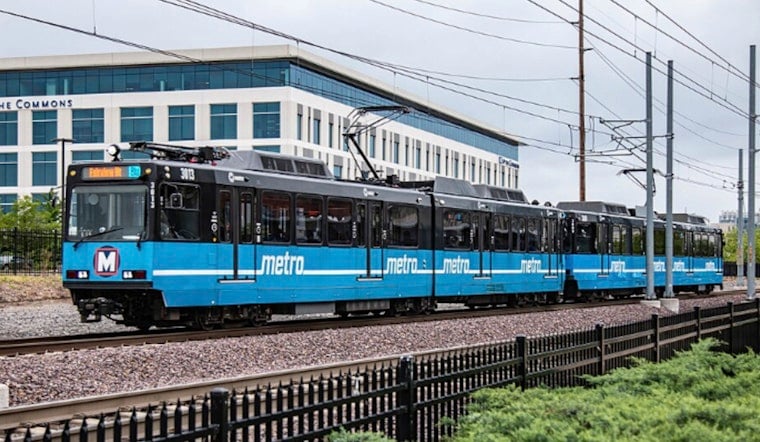
Riders hopping on MetroLink at 13 major stations are now greeted by automated fare gates and upgraded security cameras that went live Monday, July 6, 2026. The move is the first public step in a multi-phase Secure Platform Plan that will shift MetroLink from open platforms to controlled access. At these phase one stations, riders must validate a ticket or mobile pass at a platform validator before the gates open.
Phase One Stations and the Bigger Plan
The first activation covers 13 stations: Central West End, Civic Center, College, Cortex, Delmar Loop, East Riverfront, Emerson Park, Forest Park–DeBaliviere, Grand, Jackie Joyner-Kersee Center, North Hanley, Union Station and Washington Park, according to Metro Transit. The work is part of the $52 million Secure Platform Plan that aims to add gates, fencing and cameras to all 38 MetroLink stations, Metro Transit says.
Schedule, Staffing and What Metro Says
Phase two is scheduled for July 17 and phase three for August 17, a rollout Mass Transit reports will bring 26 platforms online and, combined with phase one, cover roughly 91 percent of system fare sales. Metro Transit President and CEO Taulby Roach has called the upgrades transformational, saying, “This is more than an upgrade, it is a transformation of how our region experiences transit,” the outlet reports. The agency says customer-engagement ambassadors and security personnel will be on site during the rollout to help riders get used to the new routine at the gates.
How the Gates Work and Payment Options
To open a gate, riders first have to buy and validate a fare. The Transit app generates a QR code that can be scanned at platform validators, or a Ride On smart card can be tapped at a reader, Spectrum News explains. Ticket vending machines will print QR-coded single-ride tickets, and 7- and 30-day passes can be loaded onto Ride On cards. Metro also says cash will continue to be accepted at TVMs and on buses. Spectrum News notes the initial activation does not include contactless credit or debit tap-to-pay on validators.
Pushback and Practical Questions
Some riders and local observers have questioned whether gating is the best use of money and whether it will meaningfully improve safety, a critique that surfaced when gates were first installed earlier in the rollout, St. Louis Magazine reported in 2024. Metro and its partners contend that combining gates, an expanded camera network and on-site staff will reduce incidents. Community groups and transit advocates have been holding information sessions to help riders adjust to the new fare tools, Citizens for Modern Transit says.
What Riders Should Do Now
Riders planning to use an activated station are being urged to download the Transit app or pick up a Ride On smart card at a TVM before traveling and to allow a few extra minutes for those first trips through the gated platforms, Spectrum News notes. If you run into trouble at a gate, look for Metro ambassadors or station staff for help, or contact Metro Customer Care for assistance navigating the new system.





.jpg)