

























































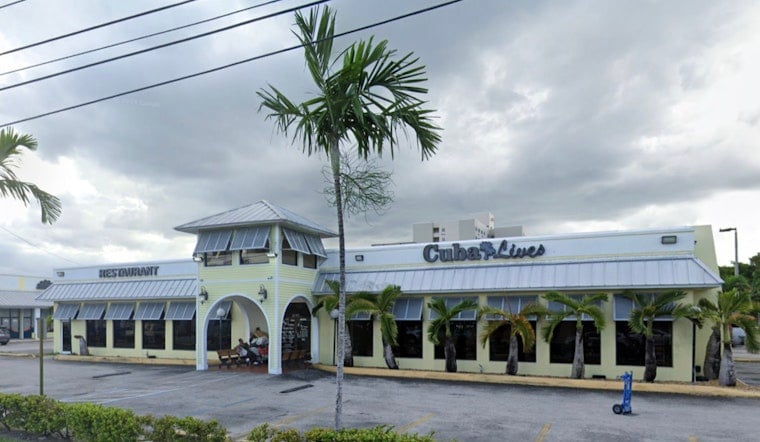
Some Miami-area restaurants just got a brutal wake-up call from state inspectors, with several kitchens racking up 30 or more health-code violations in a single visit. The worst of the bunch included a Hialeah Cuban buffet and a Homestead taco spot where reports noted live pests, mold in ice machines and widespread temperature problems. The tallies come from recent Florida Division of Hotels and Restaurants inspection records that were pulled together in a Dirty 30 roundup.
The worst offenders and what inspectors saw
According to Local 10, Cuba Lives Restaurant in Hialeah logged 36 violations on a July 14 complaint inspection, including notes that “live, small flying insects” were found and a stop-sale was issued for food held at unsafe temperatures. The same report lists El Gran Taco (dba Big Crazy Taco) in Homestead with 35 violations on July 13 and Chinatown West in West Kendall with 33 violations. Inspectors cited repeated high-priority issues such as raw animal foods stored above ready-to-eat items, missing thermometers and soiled food-contact surfaces.
Where the numbers come from
The violation counts are drawn from the state’s inspection records and public databases that compile Florida Department of Business and Professional Regulation data. Miami-Dade pages on InspectFL reflect the July inspections and list each establishment’s violation totals. The county-level pages make it easier to skim recent inspections, while the underlying DBPR records remain the official source of the enforcement notes.
Enforcement and how restaurants are held accountable
The Division of Hotels and Restaurants can issue stop-sale orders, require callback inspections and pursue administrative action when public-health risks are identified, and the DBPR publishes forms and guidance explaining those steps. As reported by Local 10, none of the restaurants in this Dirty 30 roundup were immediately shut down, although several inspection reports documented stop-sale orders for temperature-abused items. Operators that fix problems on re-inspection typically avoid closure, but repeat failures can still lead to fines or temporary shutdowns.
What readers should know
If you are uneasy about a particular spot, you can pull up the inspection notes online. Aggregator pages and state records list full violation write-ups and inspection dates, so you can see exactly what inspectors found and when. Public records are updated after follow-up visits, so checking the latest re-inspection notes will show whether the problems were corrected or if the place is still racking up red flags.



