

























































Federal agents in Miami say a 38-year-old Venezuelan-Italian civil engineer, Victor Jose Tomassoni, quietly turned his skills to a very different kind of project, allegedly helping wash hundreds of thousands of dollars linked to a network of North Korean remote IT workers. Prosecutors claim Tomassoni’s companies received more than $550,000 and that he took roughly a 3% cut on the transactions. He is being held in federal custody before arraignment and faces two money laundering counts, each carrying a statutory maximum of about 20 years in prison.
According to Local 10, FBI agents say the alleged operation pushed payments through shell companies and bogus U.S. identities before money landed in two Miami-linked firms, Delfinx Capital LLC and Mightylift Logistics LLC. Agents reportedly stopped Tomassoni for questioning at Miami International Airport after he flew in from Panama on July 2, and court filings paint him as a middleman who helped draft invoices and move funds. Tomassoni’s Miami attorney, Frank Gaviria, told Local 10 his office is reviewing the government’s complaint and running its own investigation.
How Agents Say The Network Operated
Federal prosecutors say the case tracks a larger pattern in which North Korean IT workers pose as non-North Korean contractors, land remote jobs with U.S. companies, and then launder their wages through shell businesses and overseas bank accounts. The Justice Department has rolled out nationwide enforcement efforts to disrupt that stream of money, according to the Justice Department, and the FBI has issued advisories and wanted notices warning employers and financial institutions about the same problem through the FBI. Earlier crackdowns, including some prosecuted in the Southern District of Florida, brought indictments, guilty pleas and prison sentences that prosecutors argue highlight the national security stakes of the scheme.
Messages On His Phone
Investigators say a search of Tomassoni’s phone uncovered WhatsApp chats in which alleged co-conspirators discussed drafting invoices and labeling IT wages as engineering or software work to make them look legitimate. One message singled out in the complaint allegedly shows Tomassoni writing, "but why lol ... are they north korean hackers or what," wording prosecutors say undercuts any suggestion he did not know where the workers were from, according to Local 10.
What’s Next In Court
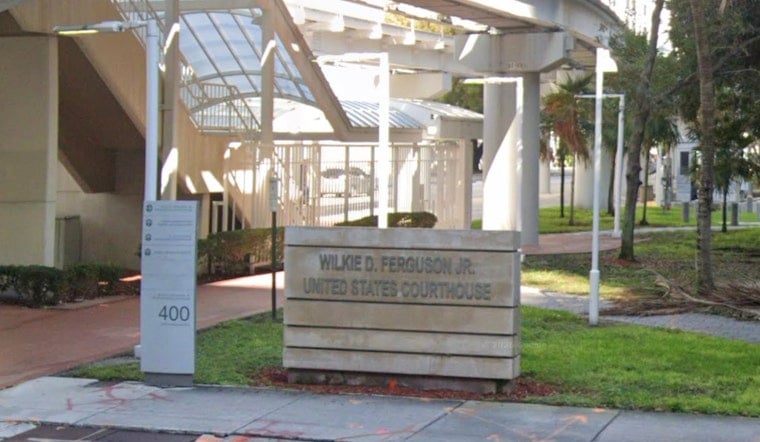
Court filings state that Tomassoni is slated for arraignment on Aug. 3 and that he already made an initial appearance in Miami federal court after his arrest earlier this month. Bureau of Prisons records show he was held at the Federal Detention Center in downtown Miami while awaiting a bond hearing. If a jury convicts him on the money laundering and concealment charges, he could face a potential decades-long federal sentence along with asset forfeiture tied to the alleged transactions.
Why Miami Investigators Are Locked In
The Southern District of Florida has become a key hub for cases tied to remote IT fraud and virtual currency laundering, a trend that federal officials have highlighted in recent public statements, according to the Justice Department. Prosecutors and the FBI say the mix of stolen identities, shell companies and cross-border payments opens gaps in the system that criminals can exploit, which has led to coordinated crackdowns and public guidance from federal agencies. Defense attorneys, for their part, emphasize that complaints and arrests are only allegations, and that prosecutors still have to prove every claim in court.





