

























































Miami could soon make it a lot easier for police to arrest people sleeping on sidewalks and in parks. District 3 Commissioner Rolando Escalona has introduced an ordinance that would let officers haul someone in for sleeping in public without first issuing a written warning or giving them time to gather their belongings. The proposal would also scrap the option of writing a citation instead of making an arrest, while still requiring officers to offer shelter if beds are available. The City Commission is set to take up the measure next Thursday.
What Escalona's ordinance would change
Under the draft amendment, officers enforcing the city’s outdoor camping rules would no longer have to provide a written warning or wait a “reasonable time” for a person to collect their belongings before making an arrest. The option to issue a citation in lieu of arrest would disappear too. The language still requires officers to offer a shelter placement or other government assistance that “would result in housing” when it exists, and it prohibits arrest when an officer has confirmed there are no shelter beds or comparable immediate assistance available. As reported by Miami Herald.
Shelter capacity and street counts
On Jan. 22, 2026, Miami-Dade’s point-in-time snapshot found 605 people sleeping on the city of Miami’s streets, an 11% jump in the city’s unsheltered population from the prior year, according to the county’s report. The Homeless Trust tallied 1,184 unsheltered people across the county during that same count. Homeless Trust chair Ron Book has acknowledged that shelter space is tight but said an 80-bed Gladeview facility is “imminent” and could open within weeks. A University of Miami street survey cited in the discussion found roughly 28% of respondents said they likely would not accept a shelter bed even if one were offered. According to Miami-Dade Homeless Trust.
Legal implications
Escalona is pitching his proposal as a local follow-up to HB 1365, the 2024 state law that limits public camping and gives residents civil tools to challenge local governments they believe are allowing encampments. That law sets the broad statewide framework but does not dictate exactly how officers must enforce it, leaving cities like Miami to spell out their own procedures and penalties. The bill text and summary are posted by the Florida Senate.
What critics warn
Advocates and national researchers have long warned that enforcement-heavy strategies tend to push people from block to block without getting them into stable housing and can rack up big costs for cities. Recent reporting and studies point out that shelters and other short-term placements often do not lead to permanent housing, and critics argue that leaning on arrests risks spinning people through the criminal justice system instead of confronting the reasons they are homeless in the first place. Human Rights Watch and other observers have documented what they call the limits and harms of criminalizing visible homelessness. According to Human Rights Watch.
What to watch next
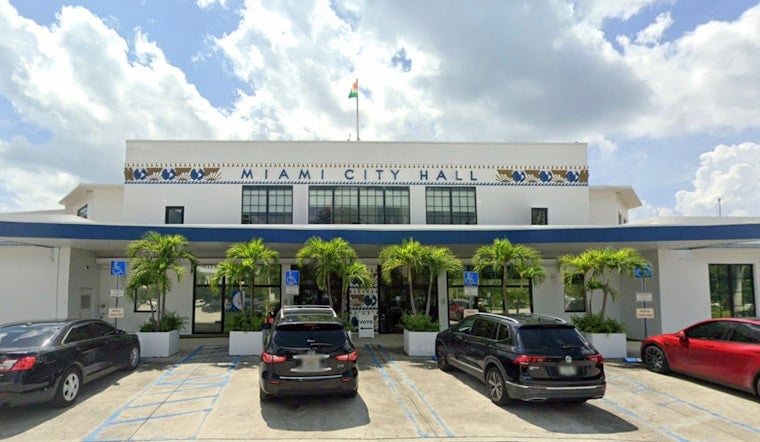
The City Commission meeting is scheduled for 9:00 a.m. at Miami City Hall, 3500 Pan American Drive, where commissioners will publicly debate and vote on Escalona’s proposal. If it clears that hurdle, the measure would still have to move through the city’s standard ordinance process before it could take effect. The meeting notice and agenda details are available through the city’s public posting. According to City of Miami.





