

























































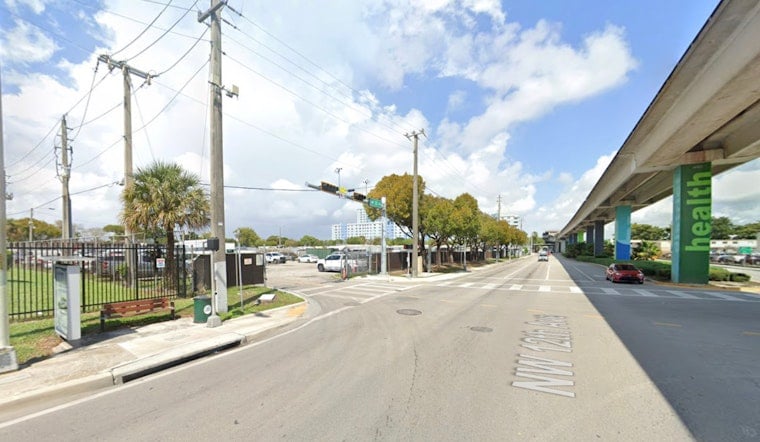
The Overpass, a sweeping mixed-use redevelopment concept for a City of Miami-owned site between Allapattah and the Health District, has snagged top honors in a regional Urban Land Institute leadership program and lays out roughly a $300 million health-tourism play. The vision pulls together housing, medical office space, a sizable medical hotel, municipal service facilities and extensive public parkland to create a new recovery-and-wellness hub. Designers say the goal is to literally and figuratively bridge Allapattah to Miami’s medical core while generating long-term economic value for the city.
What's In The Plan
According to Miami's Community Newspapers, The Overpass concept calls for 256 residential units, a 308-key medical hotel, medical office space, retail, municipal service areas and a 740-space parking structure as part of an estimated $300 million investment. The coverage notes the team designed the plan for a City of Miami-owned parcel that previously housed municipal services and now serves as the canvas for large park and pedestrian elements meant to knit neighboring areas together. Supporters pitch the hotel and medical components as a way to capture medical-tourism overnight stays and follow-up care demand that Miami’s hospitals are already generating.
ULI Advisory Report Frames The Vision
A technical advisory panel convened by the Urban Land Institute described the site as “a rare opportunity to transform underutilized public land into a vibrant, mixed-use destination” and urged city leaders to anchor the redevelopment with an 8.5-acre rooftop park, paired with phased remediation and infrastructure improvements. The TAP report from ULI’s 2025 South Florida Leadership Institute cohort also leans heavily on transit and pedestrian connectivity and recommends using Special Area Plan tools to organize project financing and public benefits. Per the Urban Land Institute, the panel views the scheme as a way to modernize city services while unlocking private investment on surplus public land.
Voices On The Project
Didem Gunal, listed among the ULI panelists and described in coverage as an executive focused on business development and marketing strategy with Desart LLC, called the experience “a great honor” and said the proposal “brings together Miami's goals for health, quality of life, and economic development.” That quote and Gunal’s role were reported by Miami's Community Newspapers, which credits her with helping shape market positioning and a multi-stakeholder development strategy. Project backers argue that careful positioning and early investor outreach will be key to convincing capital providers that this is a true medical-tourism ecosystem, not simply another hotel or apartment complex with a catchy name.
Why It Matters For Miami
Miami’s Health District already hosts a dense cluster of hospitals, research institutions and specialty centers that fuel steady demand for post-acute stays, return visits and lodging for visiting families. Local coverage and market analyses have described the district as one of the country’s largest concentrations of medical and research facilities, supporting tens of thousands of jobs and a built-in customer base of medical visitors. If The Overpass is built as envisioned, supporters say it could capture a slice of that spending while adding housing and public space in an area long targeted for infill growth. Developers contend the combined mix of medical, residential and civic uses strengthens long-term local economic value.
Next Steps And Hurdles
For now, The Overpass remains a polished concept rather than an entitled project. Redeveloping city-owned land will require environmental reviews, detailed financing plans, public-benefit agreements and likely either a Special Area Plan or other zoning tweaks under Miami 21. The ULI TAP explicitly suggests tools such as phased ground leases and SAPs to balance public benefits with infrastructure costs, according to the ULI report. Local reporting indicates the city has used SAPs to steer other large Allapattah developments, which means The Overpass would likely face a lengthy approval marathon, complete with community hearings and city commission votes, before any construction can start (Miami Today).
Recognition from a ULI leadership program gives the proposal momentum and a clearer policy playbook, but turning the renderings into reality will still demand years of design work, negotiation and oversight. The next visible milestones are expected to show up in municipal filings, SAP drafts and neighborhood meetings as this high-profile vision works its way from concept board to potential construction site.



