

























































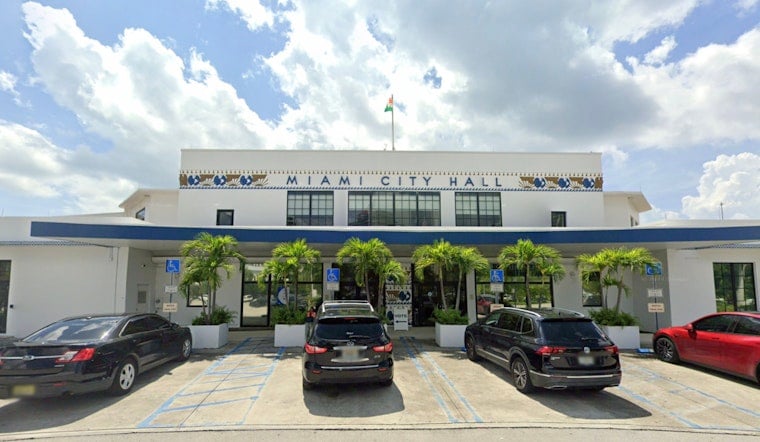
On July 23, 2026, the Miami City Commission signed off on Mayor Eileen Higgins’s plan to lease up to $150 million worth of new city vehicles, a big-ticket move meant to swap out ambulances, street sweepers, trash trucks, marked police cars and other heavy and light gear that city officials say are past their prime. The vote authorizes the city manager to hammer out a master equipment lease‑purchase agreement so multiple departments can move quickly instead of waiting years to replace aging units one by one.
According to the Miami Herald, records reviewed by the paper show proposed orders that include 27 fire‑rescue vehicles at about $14.8 million, 53 solid‑waste vehicles (including automatic side‑loaders) for roughly $16.8 million, and 232 marked police vehicles for about $16 million. The Herald reports that ambulances, motorcycles, street sweepers and trailers are also explicitly listed among the shopping categories. City leaders pitched leasing as a way to spread out upfront costs while getting crucial equipment back into service sooner, instead of waiting for one massive cash outlay.
Why the city chose to lease
"The city's police and fire vehicles are outdated," Higgins told commissioners, underscoring how thin Miami’s public‑safety fleet has been stretched. She added that roughly four out of 10 sanitation trucks are broken or unusable on a given day, a shortfall the lease is meant to tackle, per the Miami Herald. The resolution also taps Regions Capital Advantage as the program’s financier and authorizes the city manager to finalize the lease terms, according to the City of Miami.
What the money will buy
The financing is expected to cover a broad mix of heavy and light vehicles, including ambulances, large solid‑waste and recycling trucks, smaller fleet cars and mechanical sweepers. Departments will have to submit their own specifications and replacement schedules before orders are placed. Local reporting by Miami Today details the categories on the city’s wish list and notes officials opted to lease instead of buy outright to avoid a single large capital hit. Staff told commissioners the approach should let several departments refresh big chunks of their fleets at the same time while preserving cash for other priorities.
What comes next
With the resolution approved, the city manager now has the green light to negotiate and execute the master lease, with delivery timelines tied to vendor lead times and how fast departments get their orders in. The leasing push is rolling out alongside Mayor Higgins’s separate $450 million "Safe and Ready Miami" public safety bond proposal, aimed at a new public‑safety headquarters and upgraded fire stations. That bond is scheduled for the November 3, 2026 ballot, according to the City of Miami. Officials say they expect finalized lease documents to return to the commission with details on delivery timing and payment schedules.
City leaders argue that leasing should speed up replacements and cut service disruptions, even if it shifts questions about long‑term costs and maintenance into future budgets. Regions, the financier selected by the city, runs an equipment‑finance platform that structures municipal lease purchases to preserve capital and offer flexible repayment options, according to the firm’s materials. City staff say residents should start to see more reliable trash pickup and better‑equipped first responders once contracts are signed and the new vehicles start hitting the streets.





