

























































Florida has landed near the very bottom of a new national safety ranking, coming in at 47th out of 50 states with an overall score of 40.1 out of 100. The only states that scored worse were Texas, Louisiana and Mississippi, leaving the Sunshine State in the unwelcome company of the nation's least safe places to live.
The ranking comes from personal finance site WalletHub, which released its 2026 safest-states list after comparing all 50 states across 52 safety indicators. The categories span personal and residential safety, financial safety, road safety, workplace safety and emergency preparedness, according to WalletHub's own breakdown of the study. Analysts determined each state's overall score using a weighted average across every metric evaluated, the company says.
As WPEC reported, Florida ranked 31st in personal and residential safety, 45th in financial safety, 43rd in road safety, 46th in workplace safety and 47th in emergency preparedness. That personal and residential safety category factors in violent and property crime, drug abuse, overdose deaths, hate crimes, registered sex offenders, law-enforcement staffing, and residents' perceptions of neighborhood and school safety, per the station's report. Florida also tied for 45th in total per-capita losses from climate disasters, a reflection of the hurricanes, flooding and other severe-weather threats the state regularly faces.
Where Florida Fell Short
According to Yahoo News, Florida scored particularly poorly on per-capita loss amounts from climate disasters, job security and the share of its population without health insurance. The state ranked 45th in per-capita climate-disaster losses, 17th in fatal occupational injuries per 100,000 full-time workers, 32nd in fatalities per 100 million vehicle miles traveled, and 19th in law-enforcement employees per capita, the outlet reported.
WalletHub analyst Chip Lupo said the states that top the list share a common thread. “The safest states in America protect their residents from harm in a multitude of different ways,” Lupo said, pointing to low crime, safe roads, strong economies and job markets, solid occupational safety protections and disaster preparedness as the ingredients, per Yahoo News. Road safety in the study measures traffic fatalities, pedestrian deaths, road quality and driving behavior, while workplace safety looks at fatal occupational injuries and workplace protections. Emergency preparedness weighs disaster losses, public-health infrastructure and emergency personnel availability.
Crime Numbers Tell a Different Story
Despite the low overall ranking, Florida's actual crime statistics paint a somewhat brighter picture than the WalletHub score might suggest. WCCTV reports that Florida's violent crime rate sits at 3.96 incidents per 1,000 people, below the national average of 4.43. The state's property crime rate was 20.29 incidents per 1,000 people in 2024, also under the U.S. average of 22.89.
Florida also posted the largest year-over-year decline in vehicle thefts of any state in 2025, with almost 10,000 fewer stolen vehicles than the year before, the same outlet notes. By comparison, California's violent crime rate was reported at 486 incidents per 100,000 residents, noticeably higher than Florida's roughly 396 per 100,000, according to that report.
Vermont Tops the List, While Vero Beach Shines Locally
Vermont claimed the top spot in WalletHub's 2026 rankings with a score of 66.3 out of 100, followed by Massachusetts at No. 2, Maine at No. 3, New Hampshire at No. 4 and Connecticut at No. 5, per WPEC's account of the study. Vermont posted the second-best road quality in the country along with the fifth-fewest traffic fatalities per 100 million miles traveled and the 13th-fewest pedestrian fatalities per capita, Yahoo News reported. The state's unemployment rate of 2.7% ranks among the lowest nationally, according to WalletHub.
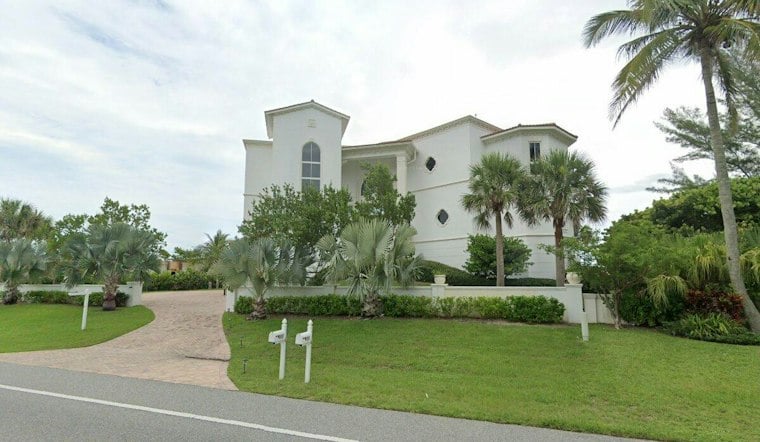
Within Florida itself, WCCTV reports that Vero Beach was identified as the state's safest city overall, with Safety Harbor ranking second. Safety Harbor recorded a violent crime rate of 1.3 per 1,000 residents and a property crime rate of 7.0 per 1,000 residents in 2026, the outlet reported. WalletHub's statewide study does not rank individual Florida cities or neighborhoods, and statewide figures may not reflect conditions in any particular community, WPEC noted.





