

























































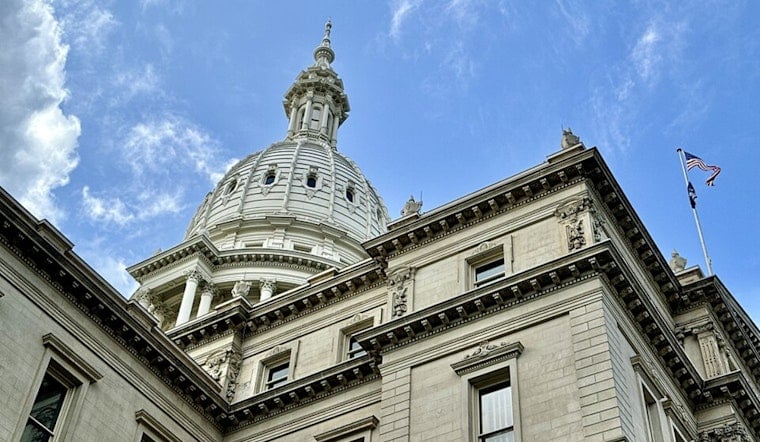
Lansing, Michigan, is taking a swing at its famous political “revolving door,” with lawmakers advancing a plan that would force ex-officials to cool their heels before cashing in as lobbyists. This week, the Legislature moved a package that would block former lawmakers and top state department leaders from registering as lobbyists for two years after they leave office. Supporters say the delay would cut down on conflicts of interest and the whiff of influence-peddling in the capital, while critics warn the plan could stumble on constitutional and enforcement snags if it becomes law.
What the bills would do
House Bills 4062, 4063 and 4064 would rewrite Michigan’s lobbyist registration law to expand a narrow existing ban into a full two-year cooling-off period for all former state legislators and to extend the same restriction to governors, lieutenant governors and heads of principal executive branch departments, according to the House Fiscal Agency. The package would also prohibit sitting lawmakers from collecting outside pay to lobby while still in office and would layer in specific enforcement provisions and penalties, per the bill tracker at LegiScan.
Who pushed the change
Republican sponsors presented the plan as a bipartisan ethics cleanup meant to rebuild public trust in state government. "I want to thank this chamber for uniting and passing these three bills with broad bipartisan support," Rep. David W. Martin said after the House vote, according to a Michigan House Republicans press release. Backers argue the proposal would make it harder for lawmakers to shape policy with one eye on a lucrative lobbying gig waiting for them on the other side of term limits.
Support and pushback
Some Democrats and government watchdogs have given the package a cautious thumbs-up while also blasting parts of the rollout and raising flags about how far the language reaches and how it would be policed, as noted by Michigan House Democrats. Good-government advocates have pressed for tight, clear statutory definitions of "lobbying" so the law does not accidentally sweep in unpaid advocacy, routine constituent work or basic consulting. Lawmakers in both parties conceded that, if enacted, the bills would force serious adjustments to the standard post-service career playbook in Lansing.
Legal questions ahead
The package also walks into a legal minefield. Courts have already chewed over similar two-year bans elsewhere, and litigation surrounding Missouri’s lobbying restrictions is now quoted in federal filings and court commentary as a reference point that could guide any legal challenges in Michigan, according to published court documents and legal analysis of the opinion. See the Eighth Circuit filings in the court records and commentary from legal analysts at Dentons.
What happens next
With the bills now lined up for Senate committee hearings, the package still has to clear the upper chamber and then land on the governor’s desk before any of it becomes law, according to LegiScan. Sponsors say that if the governor signs, the two-year timeout would apply to officials who leave office after the law takes effect. Opponents counter that legal challenges could delay, water down or even block enforcement. Either way, lobby firms and would-be influence brokers in the Capitol are already staring at a new calendar for hiring and post-office job hunting.
The development was first reported by Crain's Detroit Business on July 3, and the bills mark a renewed, high-stakes push to rein in the clout of former officials and slow the sprint from lawmaker to lobbyist in Michigan.





