

























































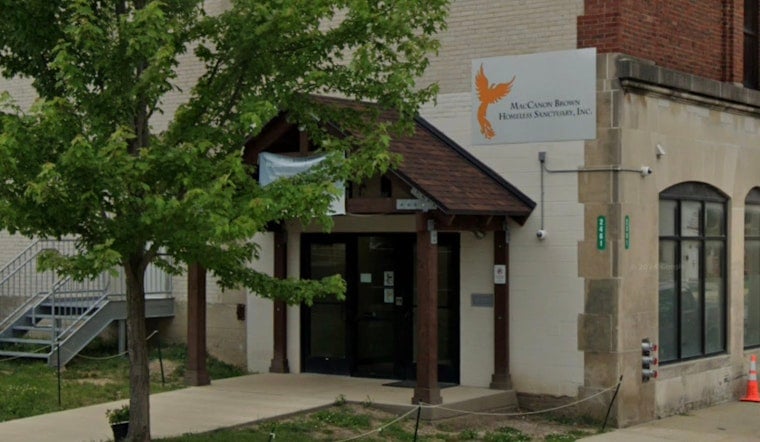
On Milwaukee’s near north side, the MacCanon Brown Homeless Sanctuary has become a quiet front line in the fight against childhood lead poisoning. Staff and volunteers host regular screening clinics, hand out lead-safe kits, and walk families through nutrition and home strategies that can cut exposure for children in the hard-hit 53206 neighborhood. The effort combines on-site testing with referrals so families can move into follow-up care quickly.
According to the City of Milwaukee, MacCanon Brown offers free lead-testing clinics for children under 10 every second and fourth Saturday at its center. Children’s Wisconsin reports that the partnership has tested more than 125 children across more than a dozen events and found about one third with elevated blood-lead levels.
Photographs and reporting from the Milwaukee Journal Sentinel show families walking through those clinic doors, including Jimmy Pitts with his 7-year-old daughter Jahkia, along with other children screened at the sanctuary. As reported by the Milwaukee Journal Sentinel, those visits can be the first step in getting kids connected to medical care and longer-term supports.
Inside the Sanctuary’s Program
MacCanon Brown hired Julie LaRose as lead and nutrition program coordinator, and staff such as Jason Malone help run the on-site clinics and education sessions, according to the MacCanon Brown Homeless Sanctuary. The program description traces the work back to a March 2023 launch and details point-of-care screening, assistance arranging venous confirmation draws, and follow-up care when initial screens are elevated. The center also distributes lead-safe kits and organizes cooking-and-education events that give families practical ways to reduce exposure.
Why the Work Matters
City health data show that while the highest blood-lead levels have dropped over decades, pockets of very high exposure remain in neighborhoods with older housing and concentrated poverty. Data-Smart City Solutions and local public-health reporting highlight how historic disinvestment and aging housing stock keep neighborhoods such as 53206 disproportionately burdened. Community partners say low-barrier, neighborhood-based testing helps reach children who might otherwise miss screening and speeds up connections to care and remediation.
MacCanon Brown and its partners describe testing as prevention, triage, and education all in one place, a model that can shorten the time between detection and treatment. For clinic details and scheduling, the sanctuary lists a main number at 414-404-0600 and posts upcoming testing dates on its lead-safety pages. Local advocates say ongoing partnerships among hospitals, community nonprofits, and the health department are critical if Milwaukee is going to reduce childhood lead exposure for good.





