

























































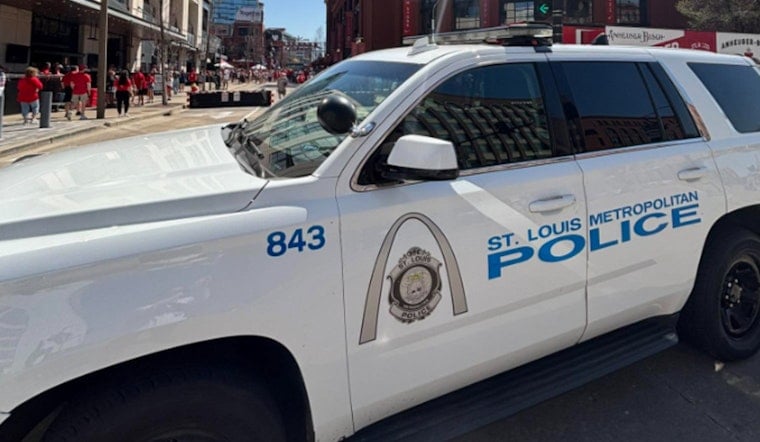
Newly released autopsy findings and police body‑camera footage are raising fresh questions about how a chaotic July 2023 encounter with St. Louis officers ended in the death of 31‑year‑old Andrew Harrington. The records, published July 2, 2026, show officers found Harrington naked and incoherent, wrestling with him in a basement stairwell before an officer used a Taser. Harrington was taken from the scene to a hospital, where he was pronounced dead the following morning.
Autopsy finds drugs and 'agitated delirium'
The autopsy report states that Harrington had fentanyl, methamphetamine and ketamine in his system and describes him as being in a state of agitated delirium that contributed to his death. The medical examiner listed acute drug intoxication, blunt‑force injuries and the officer’s use of a Taser among the contributing factors, yet concluded that the overall manner of death could not be determined. "The St. Louis Metropolitan Police Department remains mindful of the impact these events have on everyone involved," spokesman Mitch McCoy told reporters. Those findings and the department’s statement were detailed by the St. Louis Post‑Dispatch.
What officers said and earlier reports showed
Police identified the man as 31‑year‑old Andrew Harrington and said officers were called after reports that he was being violent toward emergency workers. According to earlier reporting, officers ordered Harrington to come toward them, he fell, then slipped away as they tried to handcuff him. An officer then used a Taser while Harrington continued to struggle. Harrington was transported to a hospital and later pronounced dead, according to the Associated Press.
Video shows struggle before stun
Body‑worn camera footage released alongside the autopsy materials shows officers wrestling with a naked, incoherent Harrington in a basement stairwell before an officer applies a Taser drive‑stun. The video shows the device used at least twice during the encounter. A timeline from the medical examiner included in the release notes that an ambulance arrived and that Harrington was pronounced dead at the hospital early the next morning. Those video descriptions and the forensic details were reported by the St. Louis Post‑Dispatch.
How experts view 'agitated delirium'
Medical and human rights groups caution that labels such as "agitated delirium" or "excited delirium" are controversial and can obscure other reasons a person collapses, including stimulant intoxication or the effects of physical restraint. Physicians for Human Rights says the diagnosis lacks a consistent scientific definition and warns that it should not be treated as a standalone cause of death, a context that complicates how the autopsy findings are likely to be read. That perspective is outlined by Physicians for Human Rights.
Officials and community advocates say they are watching to see whether prosecutors pursue charges or whether the department changes its training and reporting practices in response to the records’ release. For now, the autopsy and footage provide more detail yet still leave the central issue unresolved, how the mix of drug use, physical struggle, injuries and Taser use combined in Harrington’s death.



