

























































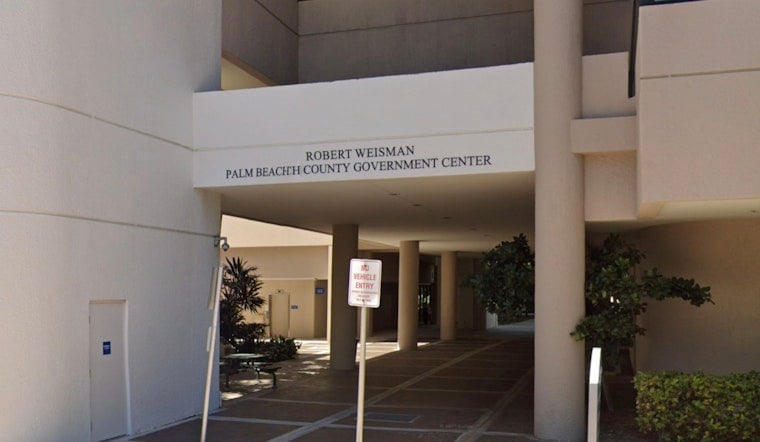
A new Florida law has set the stage for a slow-motion turf fight over who runs fire and emergency medical services in Palm Beach County. The measure lets the county keep providing fire-rescue coverage to properties that get annexed into cities and keep collecting related impact fees during a fixed transition period. Under the statute, any real property annexed on or after Jan. 1, 2027 stays in the county’s fire-rescue municipal service taxing unit for eight years, unless the county and city agree on a different timeline. County officials say the goal is to protect long-term station locations, equipment planning and the county tax base as cities chase annexations, while municipal leaders argue the law treads on home rule and raises red flags about how residents are taxed.
CS/HB 4071 cleared the Legislature without a single dissenting vote, passing the House 116-0 and the Senate 36-0, and the governor signed it on June 10, 2026, according to the Florida Senate. The bill applies only to Palm Beach County and took effect as soon as it was signed.
County leaders pushed for the change after annexation moves by Boca Raton and Boynton Beach that, in the county’s view, would have pulled key tax-generating parcels out of the fire-rescue taxing unit and scrambled long-range planning, as reported by the Palm Beach Post. County officials say the law protects growth-related revenue so stations and equipment can be planned without sudden budget holes every time a city expands its borders.
The law also forces annexing cities to cut the county a check for a "service price" each year for up to eight years. That payment is generally the lesser of what Palm Beach County would have collected in ad valorem taxes or what the city would collect, and the statute bars the county from levying ad valorem taxes through the MSTU on the annexed parcels, Bloomberg Law notes. The county can also keep charging the same fire-rescue impact fees on those properties for the length of the transition.
Municipal Pushback And Politics
City and town officials are not exactly sending thank-you cards. Several municipalities have blasted the measure as a hit to local control and a setup for confusing, possibly duplicative taxation. Jupiter’s Town Council formally opposed the county’s taxing approach, branding it harmful and confusing, according to JupiterDaily, while Boynton Beach leaders are studying options that include a possible full merger of fire-rescue services with the county, as reported by WFLX. In other words, the law meant to stabilize things may first kick off a fresh round of bargaining and brinkmanship.
How The Law Works
On paper, the statute tries to keep everyone at the same table. It requires good-faith negotiations between Palm Beach County and any annexing municipality over how long the county will keep serving the new territory, how equipment and facilities will be handled and what happens to staffing. Both sides are directed to lean on objective analyses, such as response-time data, to justify any change to that default eight-year window. The law points to National Fire Protection Association Standard 1710 as the benchmark for service levels and spells out conflict-resolution procedures if the governments cannot agree on terms. For the fine print, see the Florida Senate for details.
What Residents Should Expect
For residents, nothing flips overnight. The change applies only to annexations that are finalized on or after Jan. 1, 2027, and the statute is already in effect because the governor has signed it. Local governments, developers and homeowners should brace for more interlocal agreements, and possibly formal disputes under Chapter 164, as cities and the county haggle over transition timelines and who gets which assets, according to a legislative summary from the Florida League of Cities.
Palm Beach County Fire Rescue will keep serving unincorporated areas and many municipalities while the political fights and negotiations unfold, and residents who are unsure about which agency covers them or what fees apply can check local service maps and contracts or contact Palm Beach County Fire Rescue directly. Hoodline has followed related moves, including Jupiter’s push to build its own fire-rescue department, which helps explain today’s standoff between cities guarding home rule and a county intent on protecting its tax base. As the region keeps growing, expect annexation battles and interlocal dealmaking to quietly decide where the next fire stations land and whose budget picks up the tab.





