

























































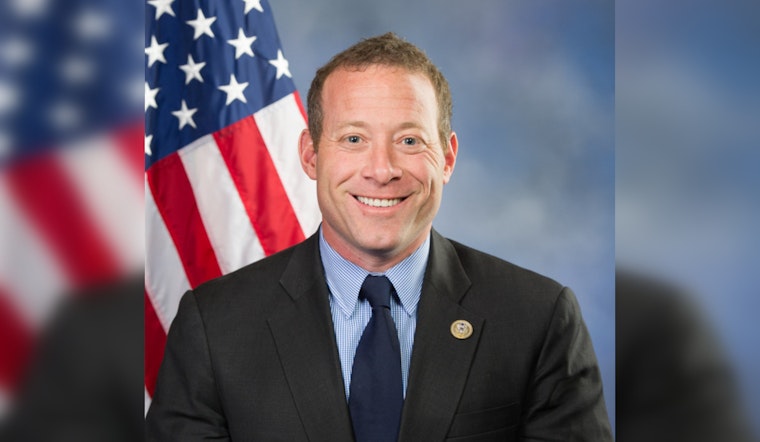
House lawmakers from both parties turned up the heat on federal agencies Thursday, warning that generative-AI chatbots could mislead voters who lean on automated tools to research candidates and voting procedures ahead of the 2026 midterms. The push, led by Rep. Josh Gottheimer (D-N.J.) and Rep. Mike Lawler (R-N.Y.), treats the accuracy and neutrality of AI outputs as a core piece of election integrity and aims to keep convenient digital shortcuts from hardening into widespread misinformation on election day.
Gottheimer and Lawler urged leaders at the Department of Homeland Security, the Justice Department, the Cybersecurity and Infrastructure Security Agency and the Federal Election Commission to coordinate on identifying and countering AI-driven threats to voters, according to KABB/Fox San Antonio. Their request adds to a growing list of congressional moves this year aimed at making sure voters who consult chatbots and virtual assistants get accurate, sourced answers.
May Letter to AI CEOs
On May 13 the two lawmakers sent a separate bipartisan letter to the CEOs of top AI firms, including OpenAI, Google, Microsoft, Anthropic, Meta, Perplexity and X, seeking details on training data, audits and internal review practices. They warned that "AI is going to play a defining role in this election cycle," according to a release from Rep. Lawler's office. The office posted the full letter and said the pair stood "ready to work" with companies to head off election-time problems before they erupt.
What the Lawmakers Want
The letter pressed AI platforms for specific safeguards: internal or third-party audits of how models answer questions about candidates, labels on political content that include sourcing and confidence indicators, clear procedures for correcting factual errors and commitments not to down-rank verified campaign and government pages, according to reporting on the letter. MeriTalk reports the pair also asked firms to provide written answers within 30 days so any systemic gaps can be spotted and fixed well ahead of November.
Why the Worry Is Not Hypothetical
Independent testing during the 2024 cycle found that popular chatbots sometimes produced incomplete or inaccurate answers to routine election questions, a pattern researchers say could worsen as more voters lean on conversational AI for quick guidance. The Reuters Institute documented evasive or incorrect responses to election-related prompts, and public polling from the Pew Research Center shows many Americans still do not trust chatbots as reliable sources for election information.
Regulators Closing In
Federal regulators are starting to treat AI accuracy as a consumer protection problem, not just a tech curiosity. The Federal Trade Commission opened a public comment period in early July on a proposed policy statement focused on AI accuracy. On Capitol Hill, lawmakers are drafting complementary measures, including a cloud-security bill led by Rep. Josh Gottheimer and Rep. John Moolenaar that would create new reporting paths for suspected foreign misuse of compute, according to Axios.
What Is Next
The 30-day response window the lawmakers requested compresses oversight and remediation into the final stretch before Election Day, a schedule meant to surface technical fixes and policy responses while there is still time to act. MeriTalk notes that the lawmakers pitched the deadline as a way to ensure companies and agencies can coordinate fixes, audits and public messaging in advance of November's voting.
For local readers, the effort is being driven by two familiar House voices. Lawler represents New York's 17th Congressional District and has tied election-integrity work to his campaign messaging, while Gottheimer serves as co-chair of the House Commission on AI and has led bipartisan pushes for targeted AI oversight. Statements and the full May letter are available from Rep. Lawler's office and Rep. Gottheimer's office.





.jpg)