

























































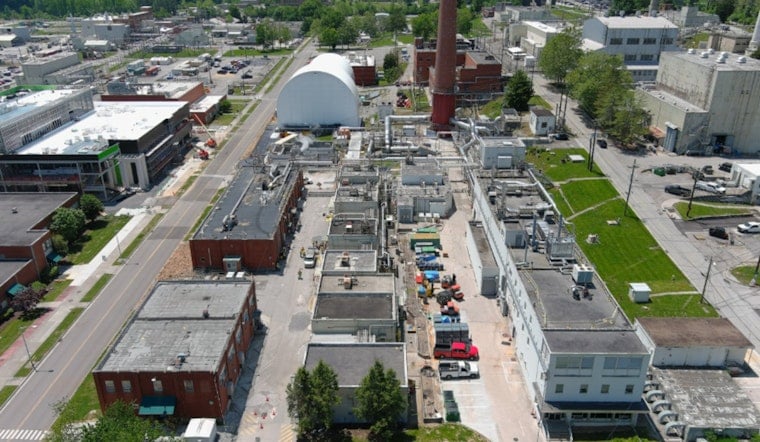
A long-contaminated slice of Oak Ridge National Laboratory’s central campus is finally on the chopping block. Crews are gearing up to demolish “Isotope Row,” a tight cluster of aging, heavily contaminated buildings, with teardown set to kick off in July 2026. Officials say dismantling the 10-building footprint will roll out over the following months as the site is cleared for new research missions.
According to the Department of Energy, the Oak Ridge Office of Environmental Management and contractor UCOR have wrapped up the radiological deactivation and hazard-reduction work needed before the wrecking crews move in. Teams stripped out hazardous systems, packaged remaining hot cells and completed decontamination surveys so demolition can proceed under tightly controlled conditions, capping years of planning to dial down radiological risk on ORNL’s central campus.
What Is Isotope Row?
Isotope Row is made up of 10 compact facilities built between the late 1940s and early 1960s that once powered ORNL’s isotope production, processing and research for medical, industrial and national-defense programs. As operations wound down in the early 1990s, the buildings were left with contaminated ventilation systems, process equipment and shielded hot cells that demanded specialized cleanup, as reported by the Oak Ridger.
How Crews Made The Site Safe
Cleanup teams have already tackled some heavy lifting, literally. In 2024, crews removed four 2,000-pound krypton tanks, and earlier this year they cut out process off-gas and central ventilation lines that held elevated levels of transuranic isotopes, according to project cleanup reports. Contractor UCOR says workers brought in a 110-ton crane to pluck pipe bridges and radiological filter houses off roofs, then downsized and packaged hot cells and ran decontamination surveys to document what was left. All of that had to happen before conventional demolition crews could safely take over.
Why It Matters
Clearing out the outdated isotope facilities frees up a prime stretch of ORNL’s central campus for modern research and national-security missions, a shift agency officials say will help the lab pivot to new programs. Nuclear Newswire reports that the Department of Energy sees this teardown as part of a broader push to remove legacy structures and prepare land for reuse across the site. The Isotope Row demolition slots into a multi-year cleanup campaign across the Oak Ridge reservation that has already featured reactor removals and other large demolition jobs.
Steve Reed, UCOR’s Isotope Row project manager, put it bluntly in a statement to the Department of Energy: “Preparing Isotope Row for demolition represents years of strategic risk-reduction work across one of ORNL’s most historically significant and contaminated footprints.” Deactivation and hazard-reduction work at the cluster began in 2020 and now shifts into a demolition and debris-processing phase, according to the Oak Ridger.



