

























































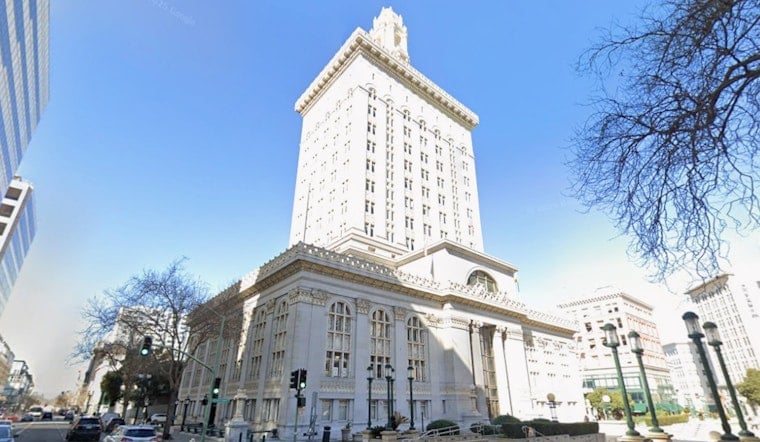
Street vendors jammed into the Oakland City Council chamber yesterday to push back against what they say is a heavy-handed enforcement crackdown that has cost them customers, income and, in some cases, their equipment. Many of the speakers, largely immigrant food sellers who rely on weekend and evening foot traffic, told council members that a wave of citations and aggressive inspections is making it tougher to keep their small businesses alive. The meeting stretched on for hours as vendors pleaded for more outreach and permitting help instead of fines.
Vendors Say Crackdown Is Hurting Small Businesses
One after another, vendors described repeated tickets, confiscated gear and what they see as uneven enforcement, saying they simply want clear rules and real support getting licensed, as reported by CBS News. Several speakers argued that multilingual permitting assistance and predictable outreach would do more to protect public health and safety than punitive sweeps.
City Frames Moves As Safety And Support
City officials counter that the stepped-up operations are meant to curb late-night disorder and protect visitors and nearby businesses, with increased OPD staffing, MACRO outreach teams and targeted code inspections in parts of downtown and Uptown, according to a City of Oakland announcement. At the same time, the city has scheduled an Oakland Mobile Vendor Support Symposium + Clinic for Aug. 13 that promises permitting help, health-inspection guidance and multilingual technical assistance for mobile food and push-cart operators, per the city's events page.
What's Next
Vendors said they plan to keep the pressure on at future hearings and will push for temporary fee relief and clearer timelines, a line of testimony captured in local coverage by CBS News. The council's public calendar lists the next regularly scheduled meeting for next Tuesday, where staff proposals and additional public comment could bring the dispute back to the dais, according to the City of Oakland.
The back-and-forth highlighted a familiar Oakland tension between public-safety priorities and the informal economy, which supports many families. Advocates on both sides said they want clearer rules, predictable enforcement and more bridgework: a mix of outreach, licensing assistance and targeted safety resources that lets vendors keep working while protecting neighbors.





