

























































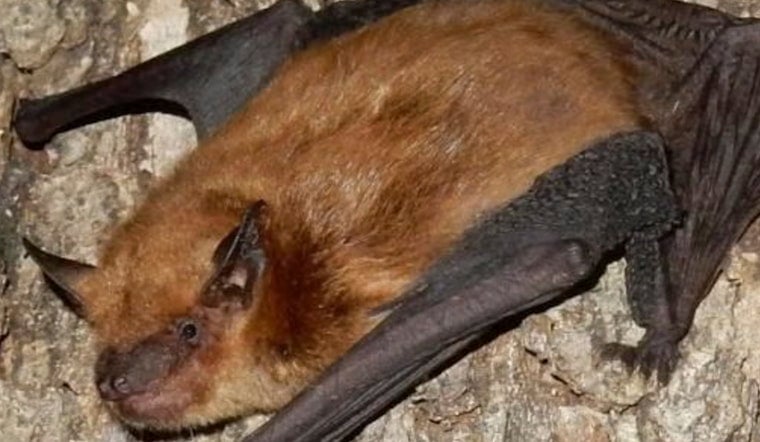
A grounded bat in an Oakville backyard has turned into a countywide cautionary tale about what not to do when you see one of the winged mammals on the ground. St. Louis County health and wildlife officials are warning residents to avoid handling bats with their bare hands after an Oakville man picked up a grounded bat and later began a series of rabies shots. The animal ultimately tested negative for rabies, but county and wildlife experts say even brief or unnoticed contact can be enough to trigger a precautionary post exposure regimen. Local trappers and biologists say bat activity usually spikes in mid summer as juveniles leave roosts and mothers ramp up foraging.
Mark Drake, the Oakville resident who found the bat in his backyard, told reporters he “reached down and it just crawled up on my finger,” a moment of curiosity that quickly turned into a trip to the doctor. He and his wife contacted St. Louis County Animal Control before he was taken to a hospital to begin vaccination, according to First Alert 4. The bat was later tested and came back negative for rabies, but Drake said he decided to complete the full shot series as a precaution.
Why summer sees more bat activity
Missouri is home to 14 bat species, many of which breed in late spring and have young that start flying in July and August. That timing increases the odds of grounded or disoriented animals turning up near homes. The Missouri Department of Conservation advises people not to handle bats and offers tips for safely excluding them from buildings, according to the Missouri Department of Conservation. Warm weather and abundant insects also draw bats into neighborhoods, which helps explain the seasonal bump in bat related calls.
St. Louis County senior epidemiologist Amanda Brzozowski told First Alert 4 the county tests as many as 25 to 30 bats a week, mostly those found inside homes, and that July and August are the busiest months for bat related calls. St. Charles County has tested 17 bats so far this year and Franklin County has logged 18 encounters, officials told the station. Local trapper Michael Beran of Wildlife Command Center said his crews are handling about a dozen calls a week during the summer surge.
Rabies risk and treatment
Rabies is almost always fatal once clinical symptoms appear, so public health officials treat any possible exposure very seriously and tend to err on the side of caution. The Centers for Disease Control and Prevention recommends a four dose post exposure vaccine schedule for people who have not previously been immunized, with doses on days 0, 3, 7 and 14, and advises immediate wound cleansing and medical assessment after any suspected exposure, according to the CDC. Local health departments and clinicians perform a risk assessment to decide whether rabies immune globulin is also needed.
What to do if you find a bat
If you find a bat inside your home, officials say to keep people and pets away and try to confine the animal to a single room without touching it. Do not release the bat before public health officials can decide whether testing is needed. The Missouri Department of Conservation suggests covering the bat with a box and sliding a piece of cardboard underneath if it can be done safely, then calling animal control or your county health department for pickup, according to the Missouri Department of Conservation. Anyone who woke up with a bat in the room, or who cannot rule out a bite or scratch, should contact a medical provider promptly because small bat teeth can leave marks that are easy to miss.
County officials also remind pet owners to make sure vaccinations are current and to report any strange acting wildlife. For local pickup and testing, residents can contact St. Louis County Animal Control or their county health department. If you are unsure about a potential exposure, your healthcare provider can advise whether post exposure prophylaxis is needed. The summer surge has put a spotlight on bats’ role in Missouri’s ecology, and it is also serving as a pointed reminder that when it comes to bats, hands off is the safest approach.





