

























































For four years, Starla Smith has been waiting for a sentence that never seems to arrive. Smith, the mother of Thomas Ferguson, says her rights under Marsy's Law have been steamrolled as a DUI-related manslaughter case in northeast Oklahoma City crawls toward the finish line with no punishment yet handed down.
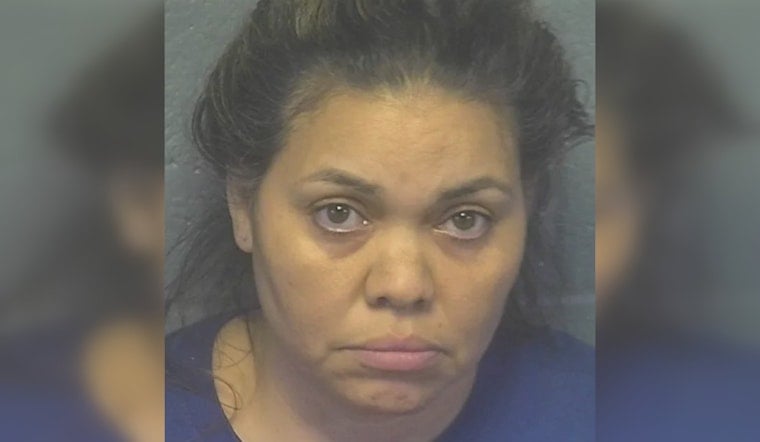
The woman charged in the 2022 crash, Tracy Mitchell, entered a blind no-contest plea earlier this year. Even so, Smith says her family is still stuck in limbo instead of getting the closure they were promised. Every July 14, she visits her son's grave. Each year that passes without a sentence, she told reporters, makes the grief feel heavier and the wait more unbearable.
Case details and schedule
According to News 9, Mitchell is charged with manslaughter in Ferguson's death and was originally set to be sentenced in May. That hearing was delayed and pushed to August. The judge also allowed Mitchell to remain free on bond until sentencing, the station reported. The Oklahoma County District Attorney's Office declined to comment further while the case is still pending.
What Marsy's Law guarantees victims
Marsy's Law, a victims' rights amendment approved by Oklahoma voters in 2018, promises crime victims a prompt conclusion of the case and the right to be informed and heard at crucial stages of a prosecution, including plea hearings and sentencing. As outlined by Marsy's Law for Oklahoma, victims can go to court to enforce those rights if they believe they have been ignored.
Local support offices, including the Oklahoma County Victim-Witness Center, routinely cite the amendment when stressing that families should be notified about plea deals, scheduling changes and other major developments in a case.
How blind pleas work in Oklahoma
In Oklahoma, a blind plea, including a no-contest plea without a sentencing agreement, hands full sentencing discretion to the judge and leaves both prosecution and defense waiting to find out the punishment. The Oklahoma Bar Association notes that defendants who choose blind pleas are essentially throwing themselves on the mercy of the court, because there is no written deal to control the sentence.
That strategy can shorten plea negotiations and sometimes move cases along faster for prosecutors. For victims' families, though, it can crank up anxiety about whether the final sentence will feel predictable or fair.
Courts and precedent
Legal challenges built on Marsy's Law have produced mixed results in Oklahoma courtrooms. In one recent high-profile sexual assault prosecution out of Payne County, a judge rejected a Marsy's Law motion, emphasizing that courts look closely at whether prosecutors and judges actually blocked a victim from taking part in key stages of the case, as reported by KOCO.
Rulings like that highlight a hard reality for families: filing a Marsy's Law motion does not guarantee a delay will be fixed or a decision will change, even when victims are publicly objecting.
The family's motion and next steps
Smith has now gone directly to the court, filing a motion that invokes her constitutional protections under Marsy's Law and asks the judge to intervene. She said she is "astounded" the case remains unresolved, according to News 9.
The motion urges the court to enforce the right to proceedings free from unreasonable delay and to lock in a firm sentencing date in August. Smith says her hope is that the filing will spur prosecutors and the judge to finally issue a long-awaited decision for her family.
What to watch
Sentencing is now set for August. Until then, the Ferguson family says it will keep a close eye on new filings and continue pressing for answers. Marsy's Law gives victims a legal path to ask judges for relief when they believe their rights have been sidelined. How far that path goes in practice depends on how courts define "unreasonable delay" and what remedies they are willing to grant.
For Smith and her family, the August hearing represents something simple but profound: the first real chance in four years to see whether Oklahoma's promise of victims' rights will translate into the timely resolution they have been demanding since the night Thomas Ferguson was killed.


