

























































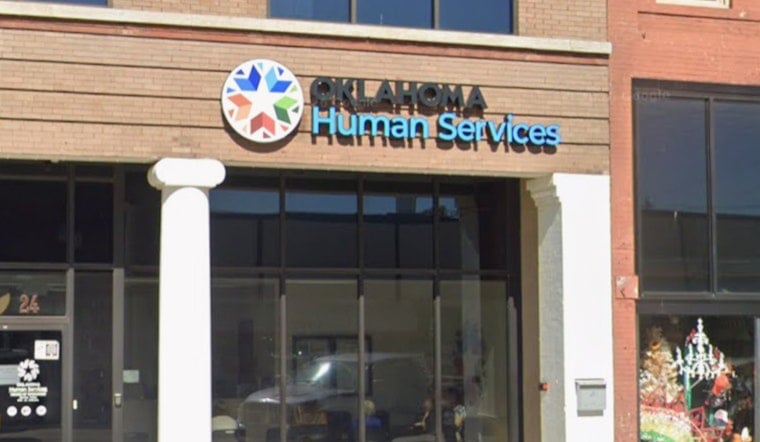
With heat-index readings topping 101°F and air conditioners working overtime across the state, the Oklahoma Department of Human Services is racing to keep vulnerable residents from losing power just when they need it most. The agency is pushing out life‑threatening energy crisis assistance to households that would be in immediate danger if electricity is cut, such as homes that rely on electrically powered medical equipment, and is prioritizing residents at the highest risk.
Officials say the aid is meant to act as a fast‑track safety net while utilities and community groups juggle surging call and website traffic during the peak of the summer heat wave.
How the program works
According to Oklahoma Human Services, life‑threatening energy crisis assistance is available all year and is designed specifically to stop shutoffs or get service restored for households in immediate danger of losing power.
The agency says it works directly with energy suppliers to head off disconnections and can speed up cases when someone in the home has a medical condition that depends on steady electrical service. That becomes especially critical as the National Weather Service issues heat advisories and forecasts heat‑index values above 101°F for parts of Oklahoma this week, raising the stakes for anyone already on the brink of a shutoff.
Federal rules and response time
The Administration for Children and Families’ LIHEAP Clearinghouse sets the federal definition of a life‑threatening crisis: either a household with medical needs tied to utility service or one exposed to extreme temperatures.
That standard, reflected in Oklahoma’s LIHEAP plan, uses a 101°F heat‑index threshold and calls for life‑threatening referrals to be resolved quickly, generally within about 18 hours once an eligible household applies. The program also gives priority to older adults, people with disabilities and young children, recognizing that those groups are at higher risk when the power goes out and the temperature keeps climbing.
Application status and backlog
LIHEAP summer cooling enrollment opened in mid‑July, and demand has been intense. As reported by KSWO, online enrollment for the summer cooling period went live July 14, fueling a spike in applications and phone calls.
Local coverage from KOCO notes that OKDHS is processing roughly 20,000 applications this season and has temporarily paused taking new summer cooling filings so staff can catch up. The pause does not change the fact that life‑threatening energy crisis help is intended to remain available when a shutoff or loss of service crosses into emergency territory.
How to get help
Residents who believe they meet the life‑threatening criteria are urged to contact OKDHS directly. Call (405) 522‑5050 and select the energy assistance options, or apply online at OKDHSLive during open enrollment, Oklahoma Human Services says.
Applicants may need to provide verification that electricity is medically essential, such as a note from a licensed health‑care professional. Federal guidance also caps the year‑round crisis payment at a maximum of $750 per federal fiscal year. OKDHS recommends keeping utility bills and medical documentation handy to speed up processing and contacting the agency immediately if a shutoff notice is already in play.
Why it matters
LIHEAP is not built as a long‑term solution for high utility bills, but for households facing genuinely life‑threatening conditions, a quick response can mark the line between a stressful afternoon and a serious medical emergency.
With dangerous heat in the forecast, officials encourage residents to check on vulnerable neighbors, make use of cooling centers and tap 2‑1‑1 or local community partners for extra support while applications move through the system. If someone in your home relies on medical equipment that needs electricity, the message from officials is simple: contact OKDHS right away and have your medical verification ready to go.





