

























































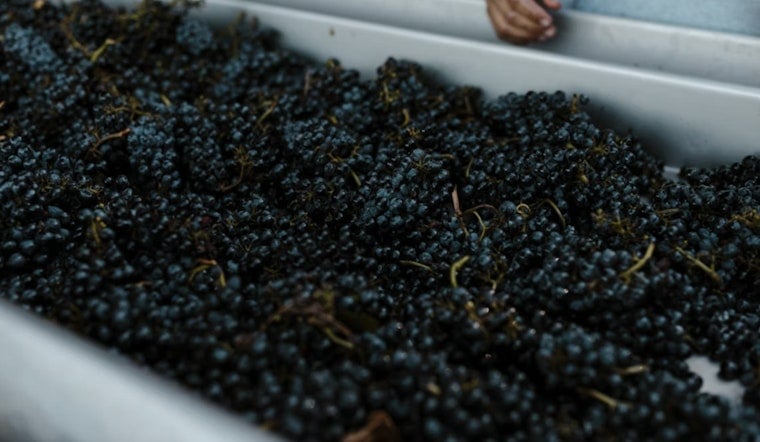
Oregon’s wine scene took it on the chin in 2025. The statewide grape harvest fell about 25% to roughly 97,000 tons, and a lot of fruit never even made it off the vine after buyers pulled back. The slump cut into crush totals and case sales, squeezed farm income and pushed some producers to tweak farming practices or pull out vines altogether. The latest industry census lands as a blunt warning that the region’s premium wine economy is wrestling with a demand-driven correction, not a quality crisis.
Numbers From the 2025 Census
According to the Oregon Wine Board, total wine grape production dropped 25% from 129,739 tons in 2024 to 96,898 tons in 2025, while tons crushed by Oregon wineries slid 23% to 73,771. The report says case sales across all channels fell about 16% to roughly 4.9 million cases, and the value of grape production tumbled about 28% to an estimated $236.5 million, even as the average price per ton ticked up. Wineries in the Willamette Valley accounted for about 80% of the state’s 2025 crush, concentrating the pain in the region best known for Oregon Pinot Noir.
Growers Left Fruit On The Vine
The census’ supplemental grower insights do not mince words, describing “a demand-side reduction,” with 61% of respondents saying they left some fruit unharvested or harvested nothing at all. As detailed by the Oregon Wine Board, 9% of respondents reported not harvesting at all and 52% left some fruit unpicked, with 74% of that group citing “no buyer for grapes” as the main reason. Many growers said they sold grapes at or below production cost and responded by cutting yields or pulling out vines to stem losses, a snapshot that points squarely at a shortage of buyers rather than poor fruit.
Local coverage has treated the census as a deeper market jolt for Oregon wine. As reported by the Portland Business Journal, industry leaders and analysts see the figures as a clear signal that the sector has to rebuild demand and rethink production decisions. That reporting also noted that weaker exports and softer distributor sales piled on pressure for producers that lean heavily on tasting-room traffic.
Regional And National Context
Observers say Oregon’s slump fits into a broader West Coast reset: softer demand, higher costs and more lower-priced bulk wine on the market have pushed buyers to scale back and left fruit without takers. Reporting on California’s 2025 season pointed to similar stretches of unharvested acreage and forced vineyard removals, underscoring that the problem cuts across state borders and price tiers. In that environment, even high-quality fruit in 2025 sometimes ended up with nowhere to go.
For growers and tasting-room businesses, the immediate jobs are keeping cash flow alive, working through unsold inventory and making hard calls about which blocks to maintain and which to remove. The census data is expected to guide marketing, export and advocacy efforts aimed at rebuilding demand heading into 2026, and many producers say they plan to watch early-season contracts and buyer signals very closely this year.



