

























































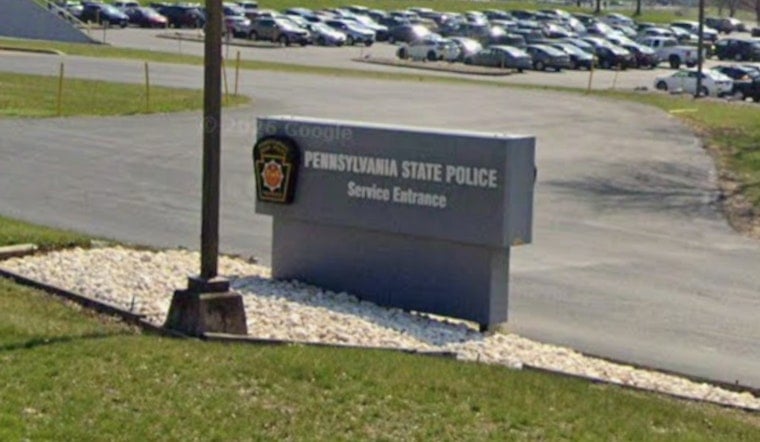
The Pennsylvania State Police’s new 2025 traffic stop analysis lands with a clear takeaway: after accounting for the legal and situational factors that typically shape what happens on the roadside, researchers say they found no substantive racial or ethnic disparities in enforcement outcomes. The study looks at trooper-initiated stops across the Commonwealth and says most encounters end with either a warning or a citation, not an arrest or a search.
In a statement to WPXI, acting commissioner Lt. Col. George L. Bivens said decisions about warnings, citations, searches and arrests are driven by the facts of each encounter, including the reason for the stop, investigative findings and a driver’s behavior, and not by race or ethnicity. Dr. Robin Engel, who led the independent research team, told WPXI the 2025 findings show “high-quality data” and stable patterns over time.
According to the 2025 Contact Data Report by the Pennsylvania State Police, troopers submitted CDRs for 423,007 member-initiated traffic stops in 2025. The report states that 59.1% of stops included at least one warning and 55.1% included a citation, while arrests occurred in 3.7% of stops and searches in 4.5% of stops. Speeding was the most common reason for a stop, with stopped drivers averaging 21.7 mph over the posted limit.
Scrutiny Over Searches
Even with similar overall outcomes across racial and ethnic groups, searches remain a flashpoint.
Spotlight PA reported in 2023 that Black and Hispanic drivers were slightly more likely than white drivers to be subjected to discretionary searches in the 2022 data. Journalists and advocates have since called for continued oversight of consent and probable cause searches.
What The Report Says About Searches
The PSP report breaks searches into three buckets: discretionary (based on probable cause or reasonable suspicion), consent, and mandatory categories. Overall, it says searches were rare. The department recorded 19,220 searches in 2025, about 4.5% of all stops, and only 15.1% of those searches were discretionary.
When searches did happen, they often turned up contraband. Discretionary searches resulted in a seizure about two thirds of the time (roughly 66.5%), the report notes, though seizure rates and search patterns differ by Area and station. The authors say legal factors including the initial reason for the stop, observed evidence, driver compliance and criminal history were the strongest predictors of what happened after the stop.
What The Numbers Don’t Show
Both the research team and critics flag a big caveat: these studies only look at what happens after a stop is made. They do not address whether certain drivers are more likely than others to be pulled over in the first place.
Dr. Engel and others have pointed out that it is difficult to find a reliable benchmark for who is actually on Pennsylvania’s roads at any given time, which is why the team focuses on post-stop outcomes as the most defensible measure. Reporters highlighted that methodological limitation at a 2023 news conference, and Spotlight PA noted the same issue when it covered the original 2022 analysis.
State police officials say the annual CDR reports and independent reviews are part of a longer-term move toward evidence-based policing and transparency, and that they plan to keep auditing and publishing the data. Civil liberties advocates and some lawmakers argue independent scrutiny and better benchmarks should continue as the PSP’s program develops. As reported by WPXI, the 2025 report is expected to feed into training and oversight discussions inside PSP and with outside partners.





